Description
Connecting Rod Bearing – Protect the Crankshaft & Maintain Reliable Engine Operation
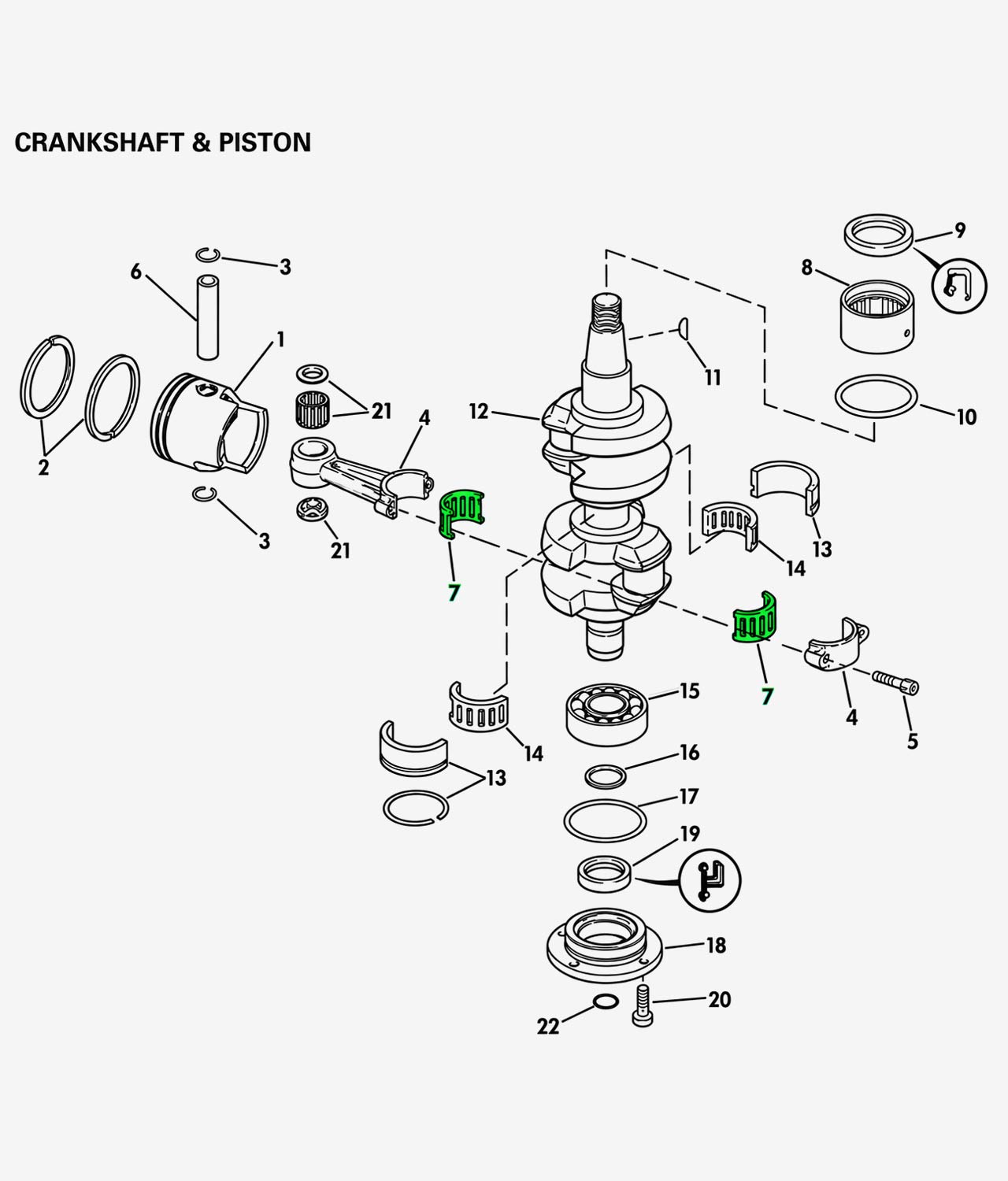
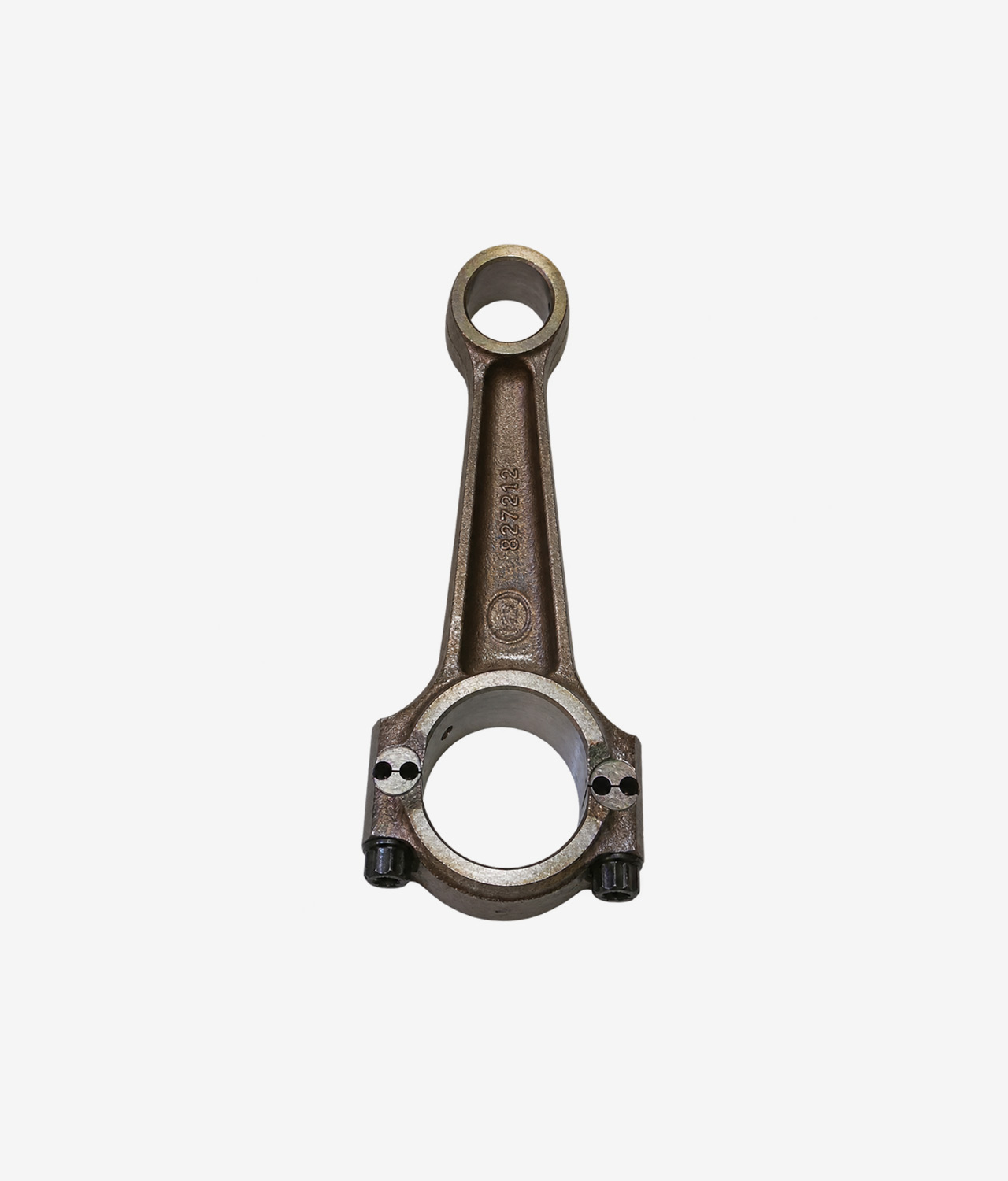
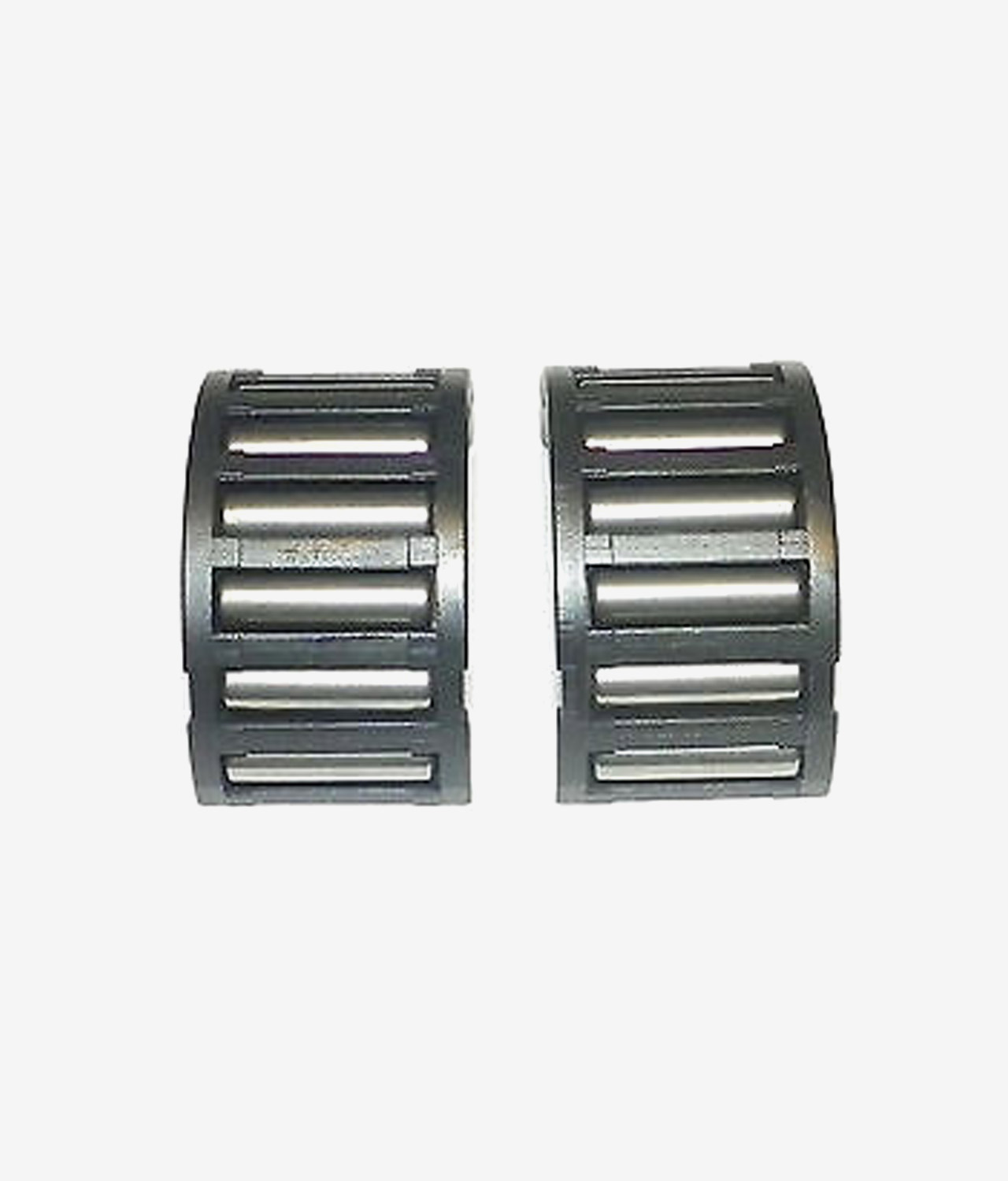
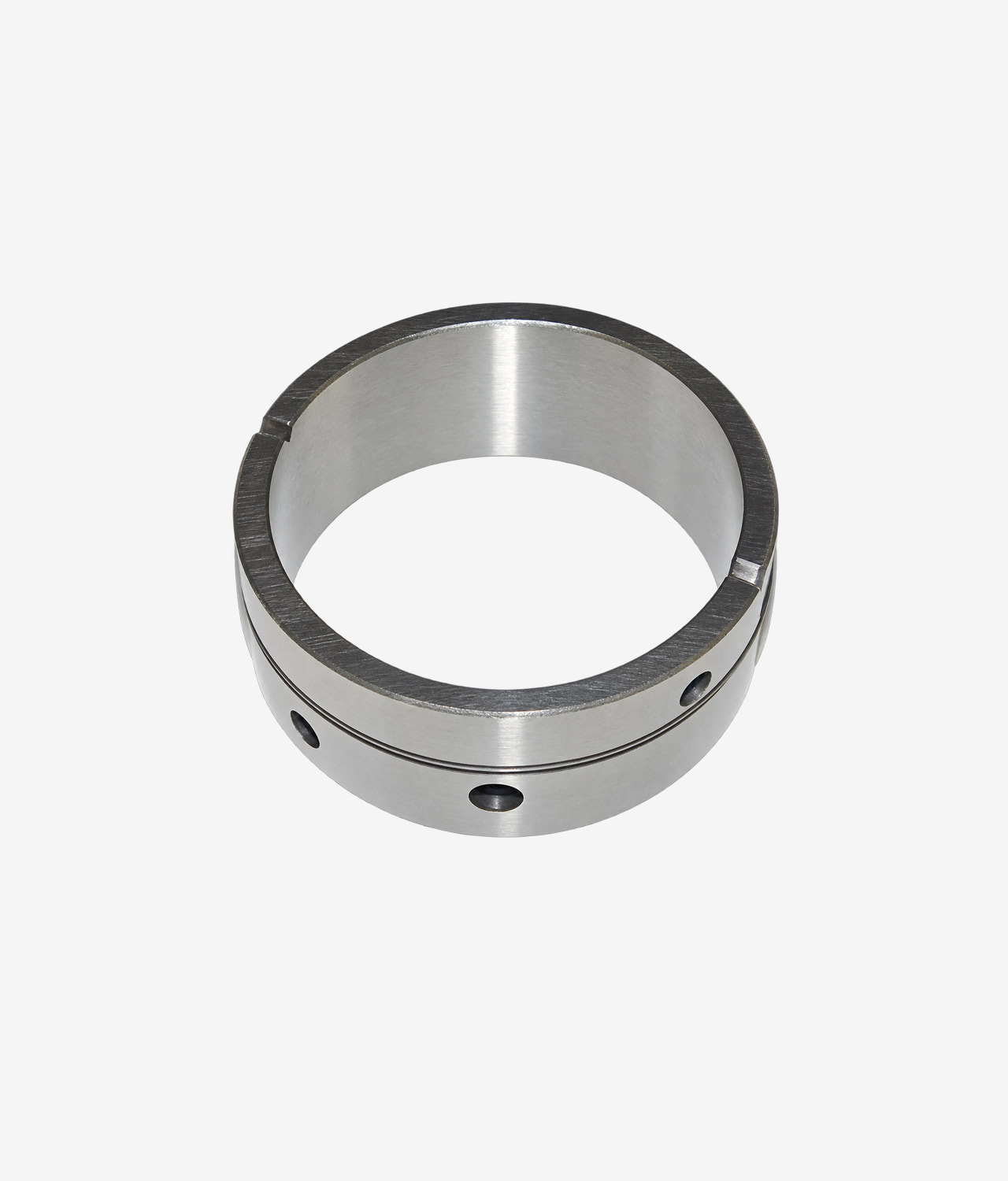
This Connecting Rod Bearing, is used on select OMC, Johnson and Evinrude outboard engines at the lower or big-end of the connecting rod where the rod rides on the crankshaft journal.
This bearing is one of the most heavily loaded components inside a two-stroke powerhead. Every time the engine fires, combustion force is transferred through the piston and connecting rod into the crankshaft. The connecting rod bearing must allow the rod to move smoothly around the crankshaft journal while handling high RPM, repeated combustion loads, and continuous lubrication from the fuel/oil mixture.
Common Signs of a Worn or Damaged Connecting Rod Bearing
Possible symptoms or inspection findings may include:
- Knocking or tapping noise from the powerhead
- Metallic rattle that increases with RPM
- Excessive connecting rod side or radial movement
- Rough or inconsistent engine operation
- Increased vibration
- Metal particles or bearing debris inside the powerhead
- Pitting or scoring on bearing surfaces
- Blueing or heat discoloration
- Damaged or worn bearing retainer
- Roughness when rotating the crankshaft by hand
- Scoring or damage to the crankshaft journal
- Sudden loss of compression or internal engine failure in severe cases
A failing rod bearing can progress quickly, particularly at high RPM. If unusual internal engine noise is present, continued operation can turn a bearing problem into crankshaft, connecting rod, piston, or crankcase damage.
Why the Lower Connecting Rod Bearing Matters
The lower connecting rod bearing forms the rotating interface between the connecting rod and crankshaft.
If the bearing becomes worn, damaged, or improperly lubricated, clearance between the connecting rod and crankshaft can increase. Excessive clearance allows the rod to move or hammer against the crankshaft journal, which can lead to:
- Crankshaft journal damage
- Connecting rod damage
- Broken rod components
- Increased vibration
- Bearing debris circulating through the engine
- Piston and cylinder damage
- Complete powerhead failure
Because of the loads placed on this bearing, proper condition and correct installation are especially important during any engine rebuild.
Key Features & Benefits
- Supports the Connecting Rod – Allows smooth rotation around the crankshaft journal
- Handles High Engine Loads – Designed for the repeated combustion forces inside a two-stroke powerhead
- Helps Maintain Proper Rod Clearance – Supports stable crankshaft and connecting rod operation
- Protects the Crankshaft – A properly functioning bearing reduces damaging metal-to-metal contact
- Ideal for Powerhead Rebuilds – Important replacement component during internal engine service
- Useful for Performance Applications – Critical for engines operating at sustained high RPM
- Broad OMC Compatibility – Used across many 2-cylinder and 3-cylinder Johnson/Evinrude engines
When Should Connecting Rod Bearing Be Replaced?
Replacement should be considered when:
- The bearing feels rough or binds during inspection
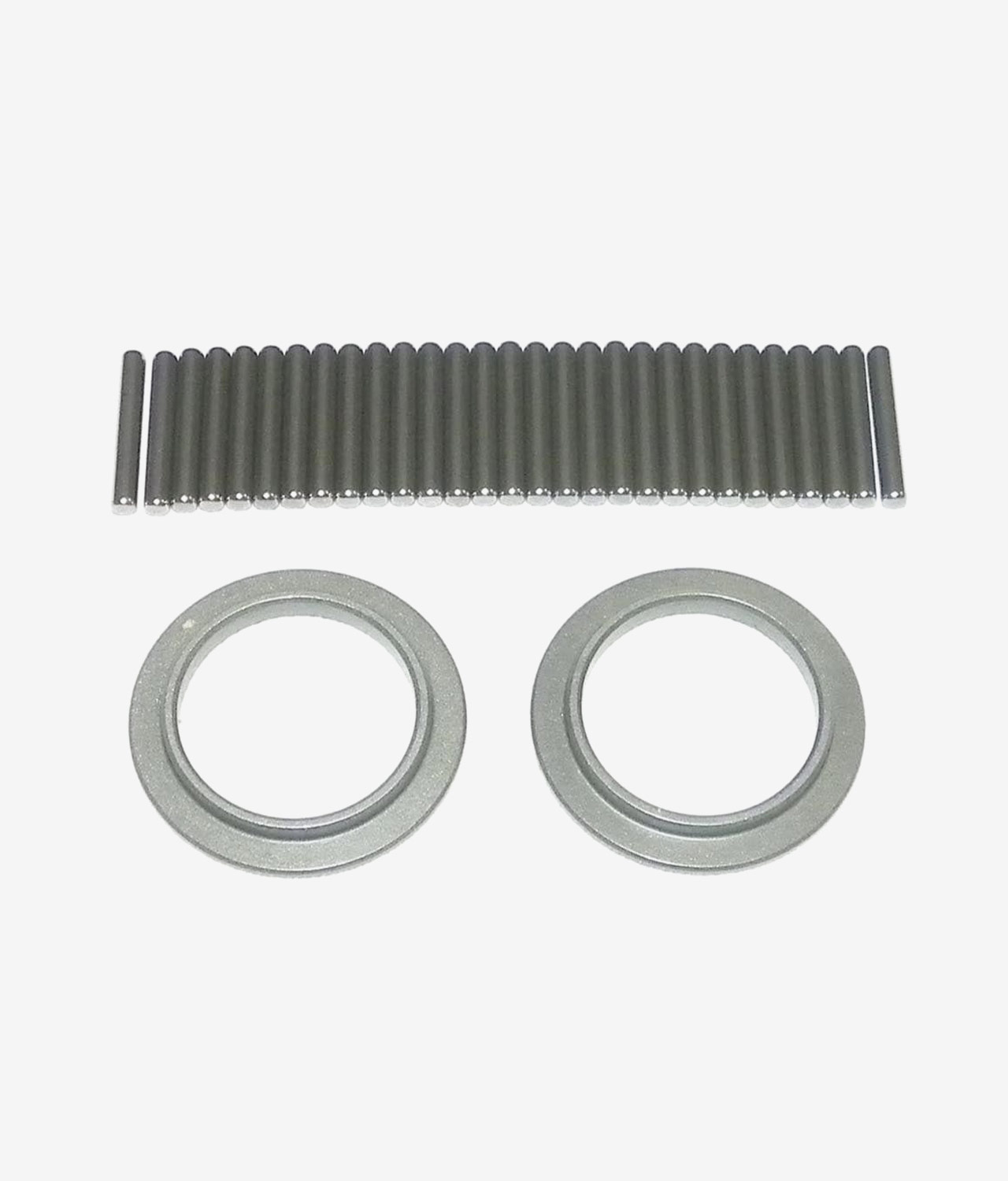
- Needle rollers or bearing surfaces show pitting
- The retainer is damaged or distorted
- Excessive rod-to-crankshaft clearance is found
- Metal debris has circulated through the engine
- The crankshaft has been damaged
- The engine experienced overheating or lubrication failure
- A connecting rod or piston has failed
- The powerhead is being completely rebuilt and bearing condition is questionable
If an engine has experienced a major internal failure, all rod bearings should be carefully inspected even if only one cylinder was directly affected.
Crankshaft Inspection Is Important
When replacing the connecting rod bearing, inspect the crankshaft journal carefully for:
- Scoring
- Pitting
- Galling
- Heat discoloration
- Out-of-round wear
- Surface damage
Installing a new bearing on a damaged crankshaft journal can quickly damage the replacement bearing.
The connecting rod itself should also be checked for wear, distortion, or damage before reuse.
Performance & Racing Considerations
For performance and race outboards, connecting rod bearing condition is especially important because the engine spends much more time at elevated RPM and under sustained load.
At Liquid Revolutions, we know that rod bearing reliability can make the difference between finishing a race and experiencing a major powerhead failure. A bearing that is questionable during inspection is not worth gambling on when the engine will be operated at racing RPM.
Whether you’re rebuilding a recreational Johnson/Evinrude outboard or refreshing a performance or SST-style race engine, properly inspecting and replacing worn connecting rod bearings helps protect the crankshaft, rods, pistons, and the rest of the rotating assembly.
Always verify your engine model number, year, and OEM part number before ordering to confirm proper fitment.