Description
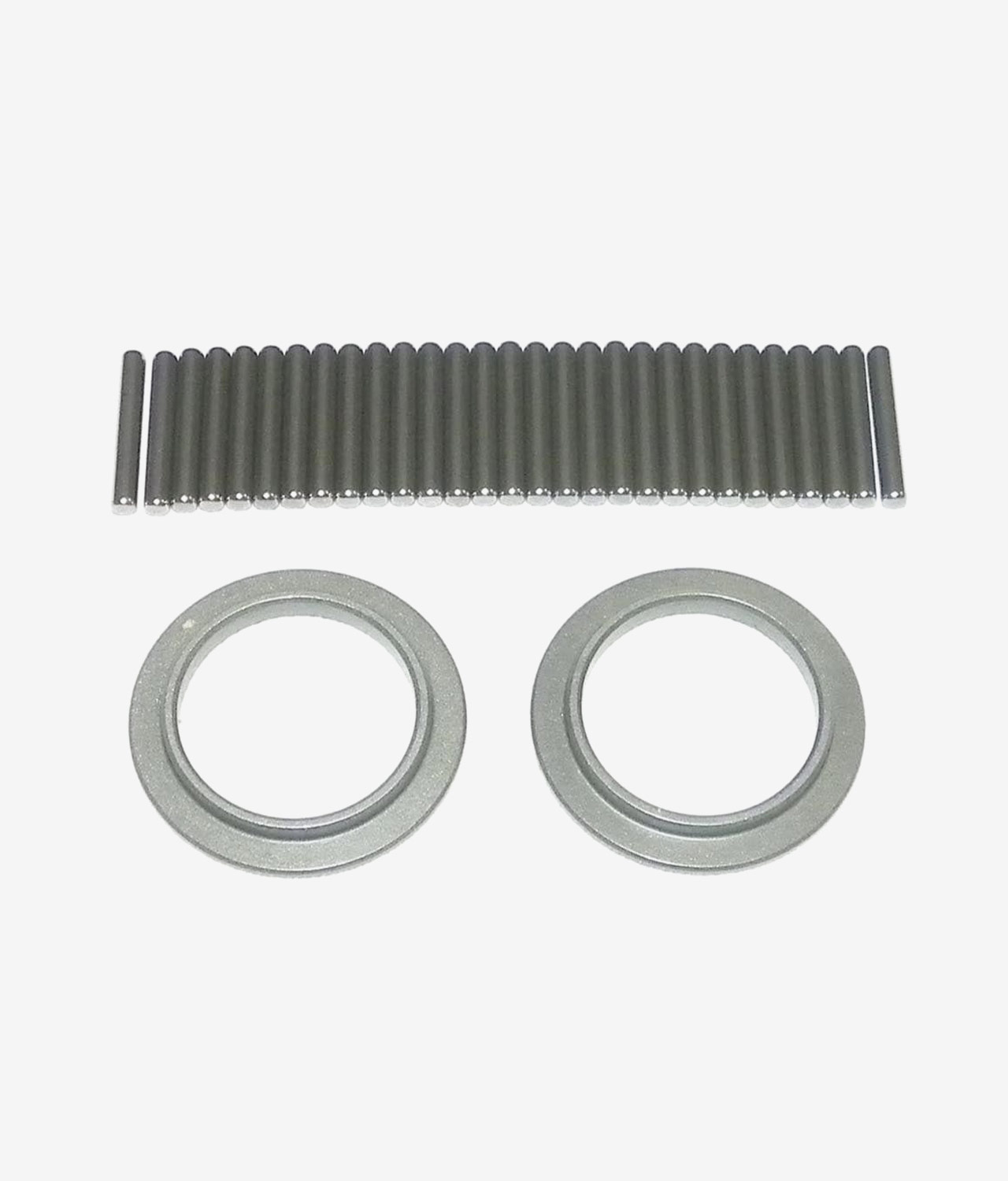
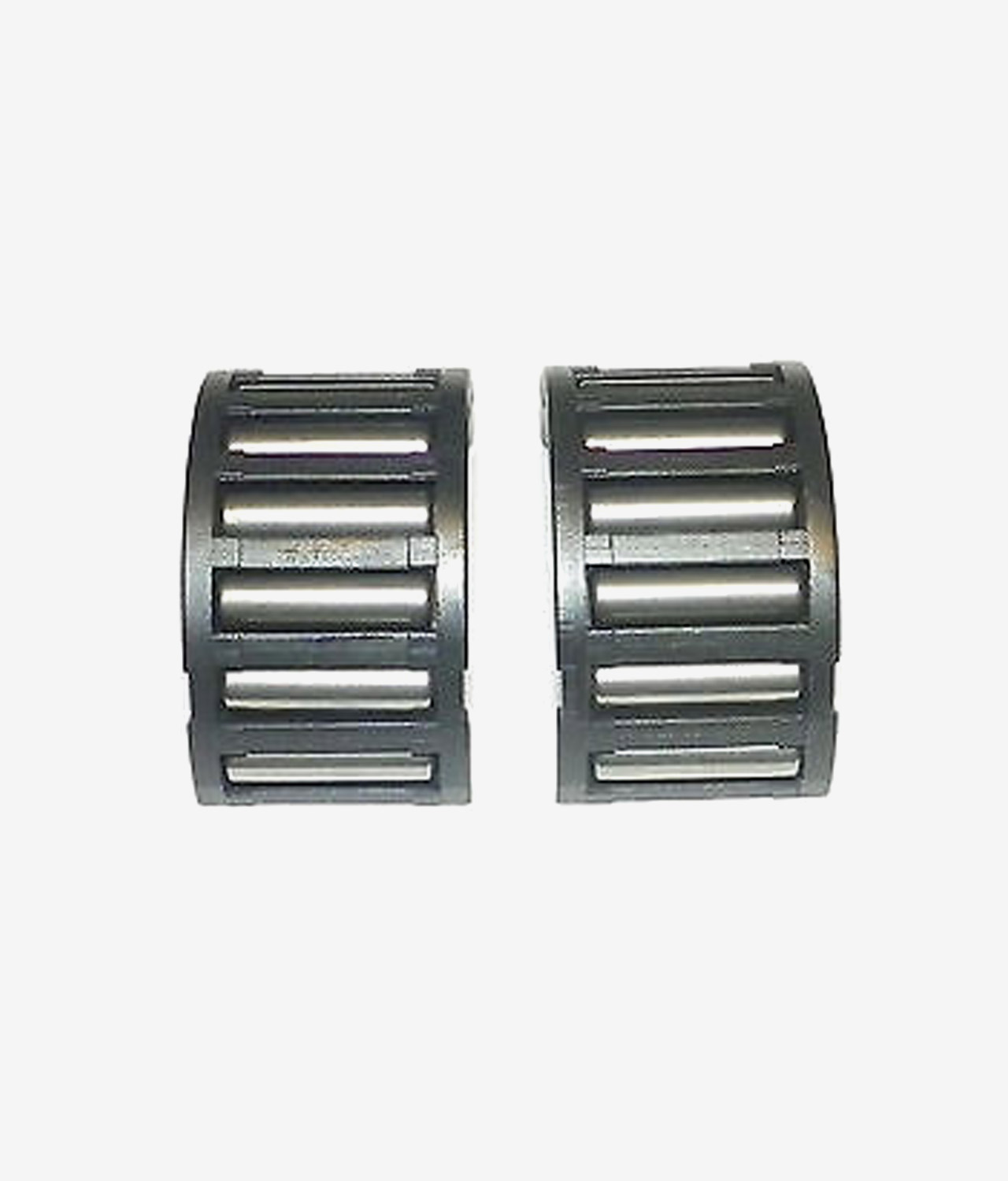
Wrist Pin Bearing & Needle Kit – Support Smooth Piston & Connecting Rod Movement
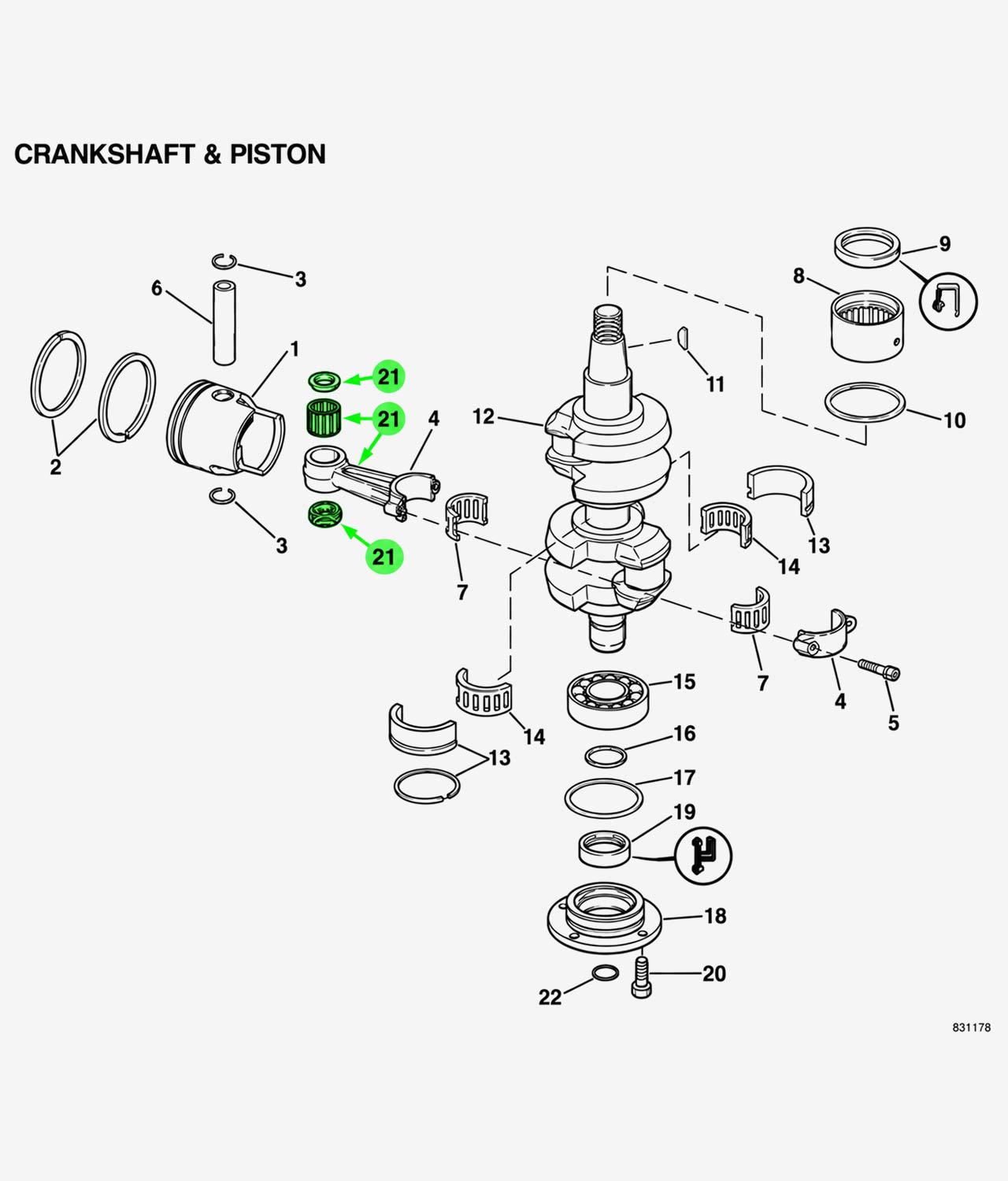
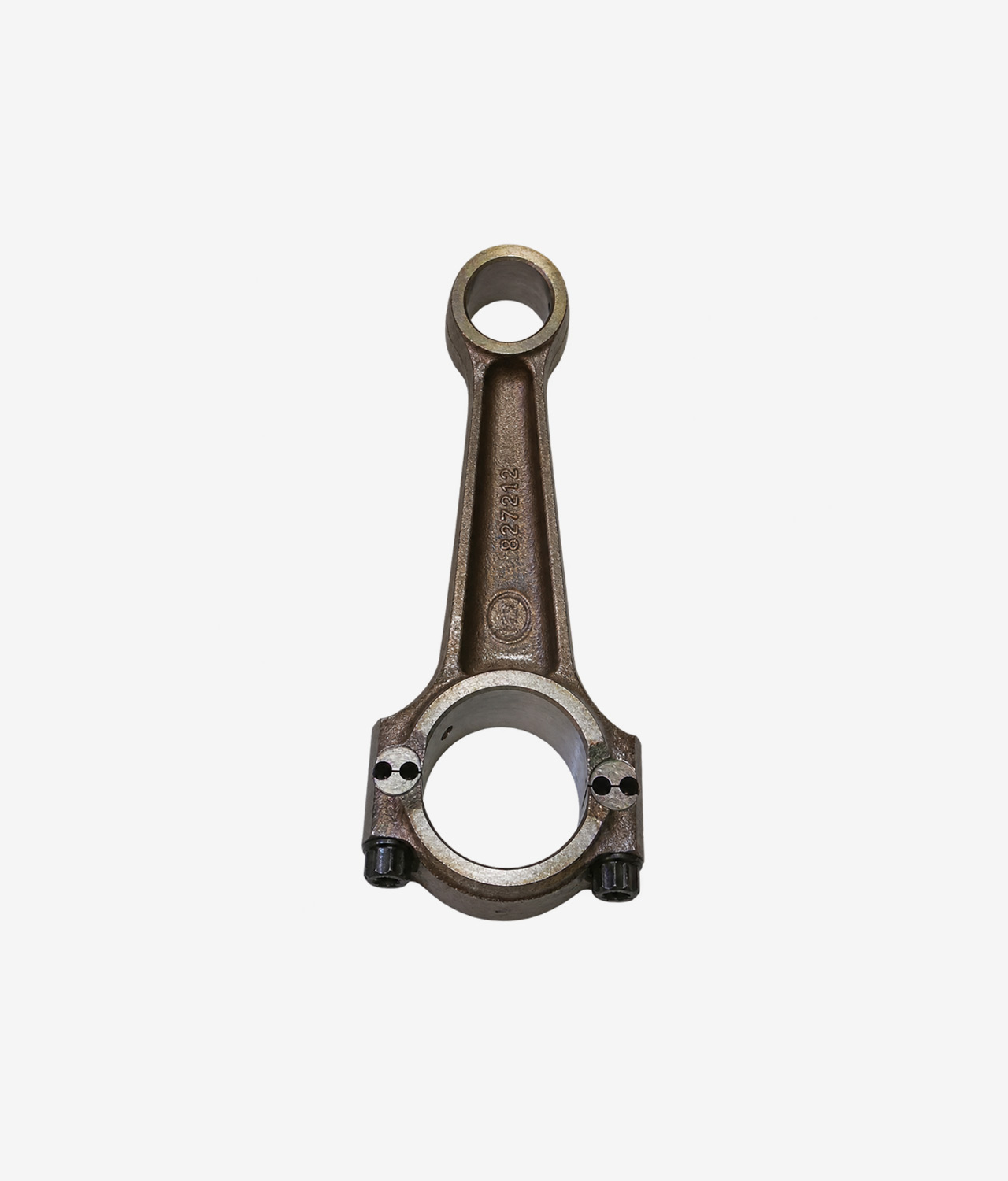
The Wrist Pin Bearing & Needle Set, is used on select OMC, Johnson and Evinrude outboard engines at the small end of the connecting rod where the rod connects to the piston wrist pin.
This needle bearing assembly allows the piston to pivot smoothly on the connecting rod as the crankshaft rotates. Every time the engine runs, the wrist pin bearing is subjected to rapid back-and-forth movement, changing load direction, combustion force, and high engine RPM.
Common Signs of a Worn or Damaged Wrist Pin Bearing
Possible symptoms or inspection findings may include:
- Tapping or knocking noise from the powerhead
- Metallic clicking that changes with RPM
- Excessive piston or wrist pin movement
- Rough or inconsistent engine operation
- Increased engine vibration
- Metal debris inside the powerhead
- Pitted, scored, or discolored needle rollers
- Damaged bearing retainer
- Scoring on the wrist pin
- Wear inside the connecting rod small end
- Piston damage around the wrist pin bore
- Internal engine failure in severe cases
Because piston slap, connecting rod bearings, crankshaft bearings, and other internal components can produce similar noises, proper inspection is important before identifying the wrist pin bearing as the source.
Why the Wrist Pin Bearing Matters
The wrist pin bearing creates the moving connection between the piston and connecting rod.
As the piston travels up and down in the cylinder, the connecting rod constantly changes angle. The wrist pin bearing must allow that movement to occur smoothly while supporting combustion forces transferred from the piston into the connecting rod.
If the bearing develops excessive wear, corrosion, pitting, or damage, clearance at the wrist pin can increase. This may lead to additional wear on:
- Wrist pin
- Piston pin bore
- Connecting rod small end
- Piston
- Cylinder
- Crankshaft and rod bearing components
A failed wrist pin bearing can create significant internal damage very quickly, particularly in an engine operating at elevated RPM.
Key Features & Benefits
- Supports Piston-to-Rod Movement – Allows the piston to pivot smoothly on the wrist pin
- Needle Bearing Design – Provides a low-friction rolling surface under repeated engine loads
- Helps Maintain Proper Internal Clearance – Supports stable piston and connecting rod movement
- Protects the Wrist Pin & Connecting Rod – Helps reduce damaging metal-to-metal contact
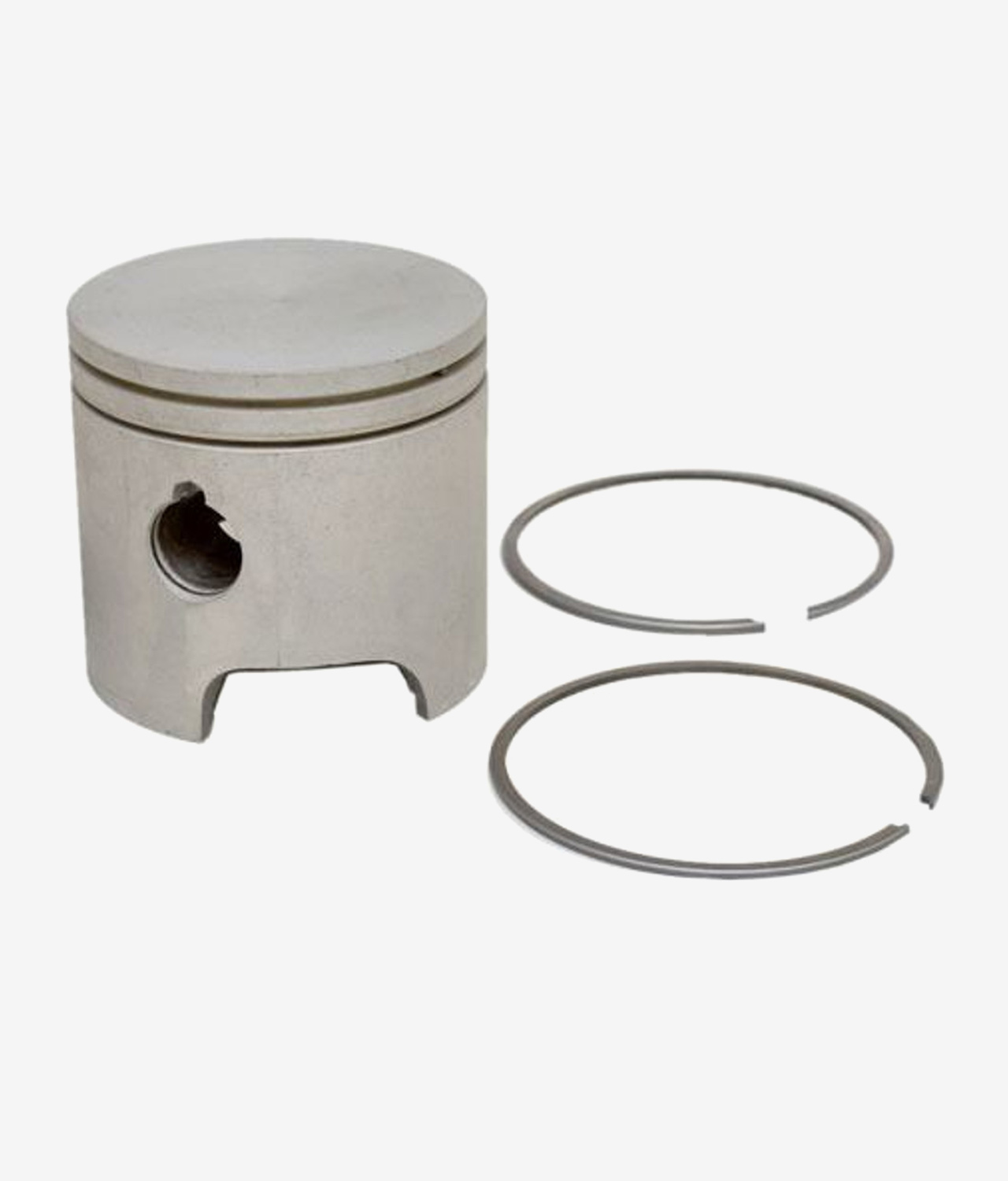
- Ideal for Piston Replacement – Important inspection or replacement item whenever the piston is removed
- Useful for Powerhead Rebuilds – Common internal engine service component
- Performance & Racing Application – Important for engines subjected to sustained high RPM
When Should Wrist Pin Bearing Be Replaced?
Replacement should be considered when:
- Needle rollers show pitting or scoring
- The bearing retainer is cracked, worn, or distorted
- The wrist pin shows scoring or discoloration
- Excessive play is found between the wrist pin and connecting rod
- Metal debris has circulated through the engine
- The piston has suffered damage
- The engine experienced overheating or lubrication failure
- The powerhead is being rebuilt and the bearing condition is questionable
- A piston or connecting rod is being replaced
Because the wrist pin bearing is relatively inexpensive compared with the labor involved in rebuilding a powerhead, replacing a questionable bearing during a rebuild is often a smart preventative step.
Inspect the Related Components
Whenever the wrist pin bearing is serviced, inspect the surrounding parts carefully, including:
- Wrist pin
- Piston pin bore
- Connecting rod small end
- Piston
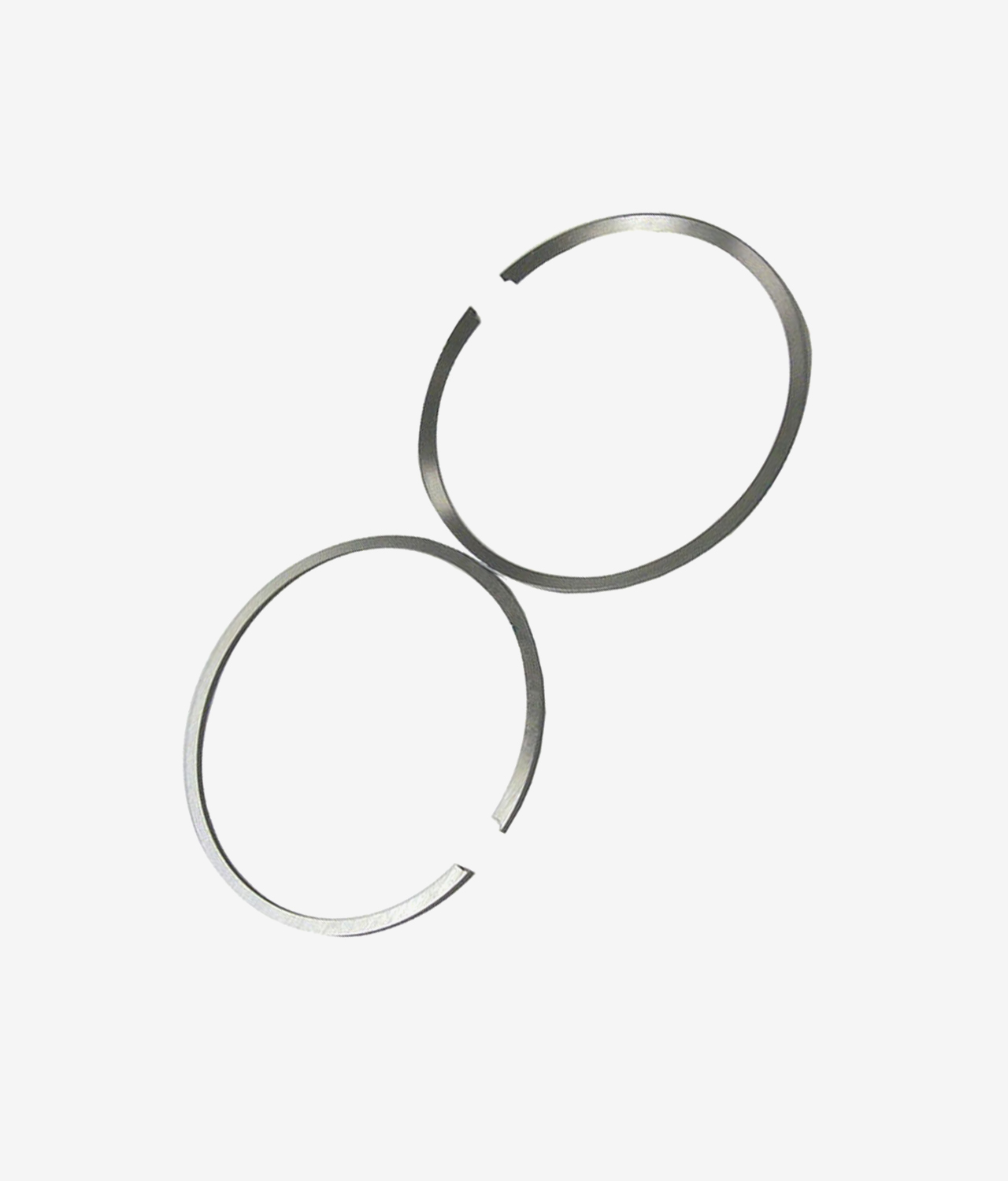
- Wrist pin retaining rings
- Cylinder condition
- Connecting rod lower bearing
Installing a new wrist pin bearing with a damaged wrist pin or worn connecting rod can shorten the life of the replacement bearing.
Performance & Racing Considerations
For performance and race outboards, wrist pin bearing condition is especially important because these engines operate at sustained high RPM and repeatedly transition between acceleration, deceleration, and full-load operation.
At Liquid Revolutions, we know that small internal engine components can have a major impact on reliability. A wrist pin bearing that is questionable during inspection is not worth reusing in a motor that will be pushed hard.
Whether you’re rebuilding a recreational Johnson/Evinrude outboard or refreshing a performance or race powerhead, properly inspecting and replacing worn wrist pin bearings helps protect the piston, connecting rod, and the rest of the rotating assembly.
Always verify your engine model number, year, and OEM part number before ordering to confirm proper fitment.