Description
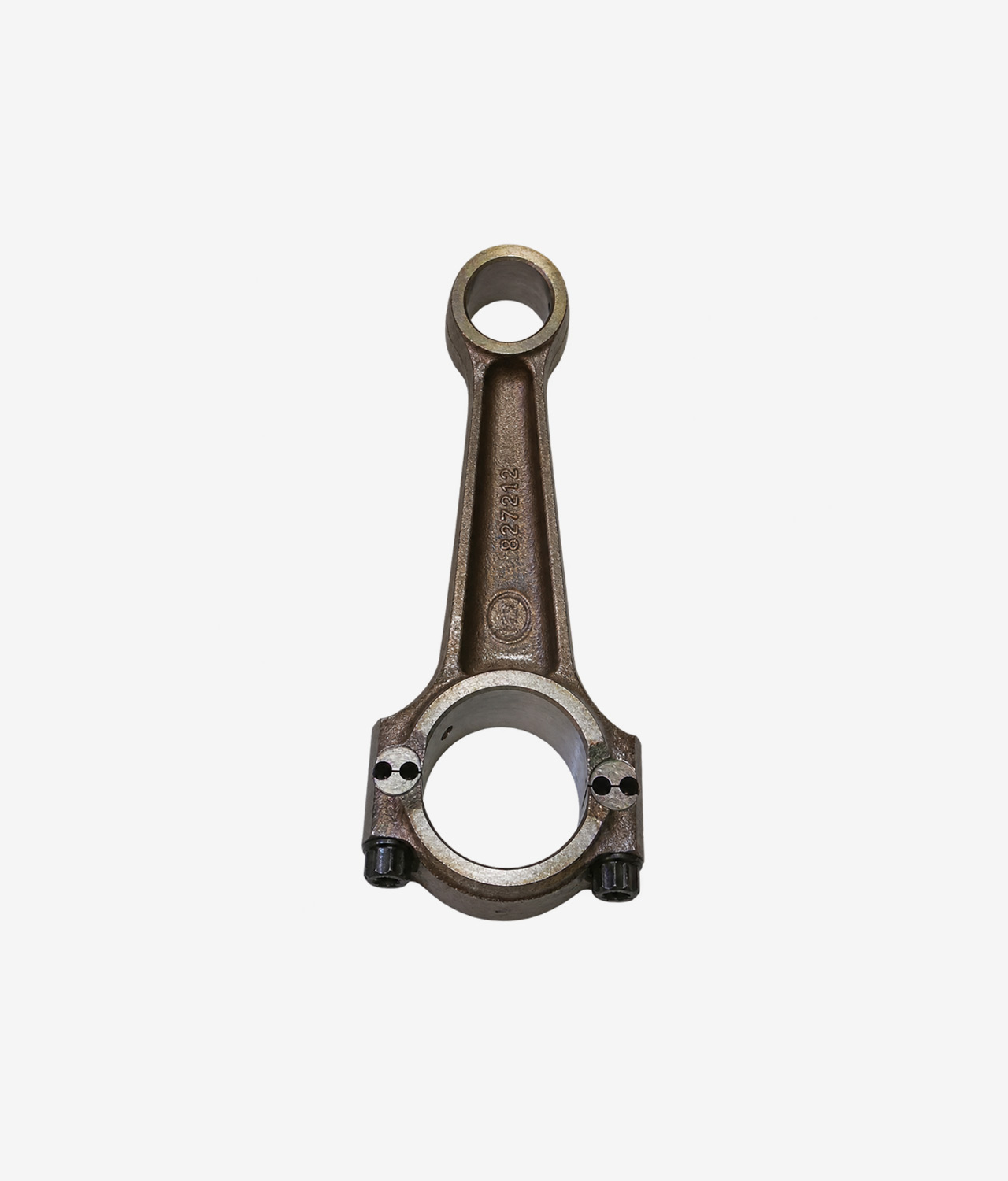
Johnson/Evinrude Connecting Rod – Restore Reliable Piston to Crankshaft Operation
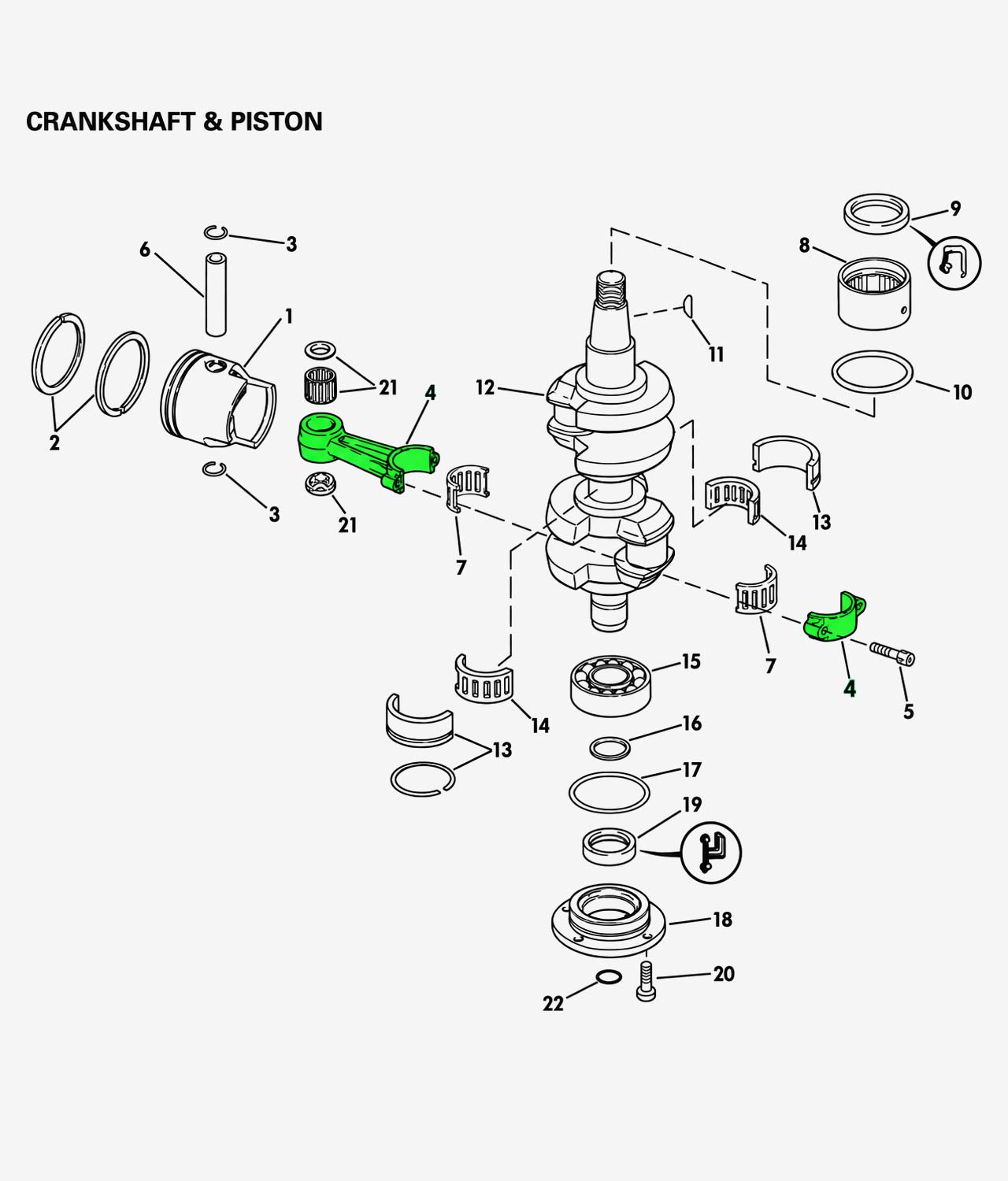
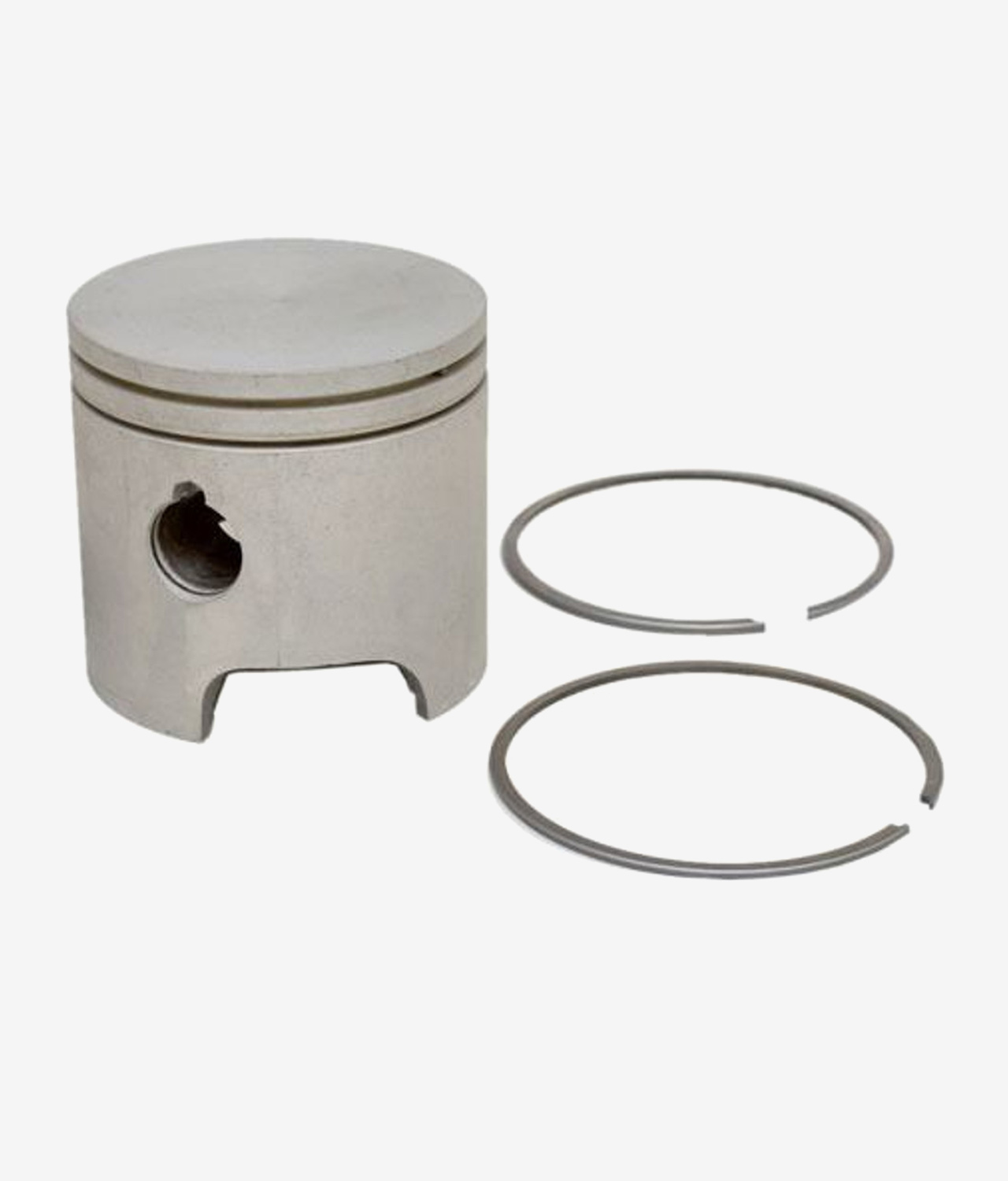
The Connecting Rod is used on select Johnson, Evinrude, and OMC two-stroke outboard engines to connect the piston to the crankshaft.
The connecting rod is one of the most highly stressed components inside the powerhead. Every combustion event pushes the piston downward, and the connecting rod transfers that force into the crankshaft to produce rotational power.
Because the rod operates under constant reciprocating load and high engine RPM, its condition is critical to both performance and reliability.
What the Connecting Rod Does
The connecting rod forms the mechanical link between the piston and crankshaft.
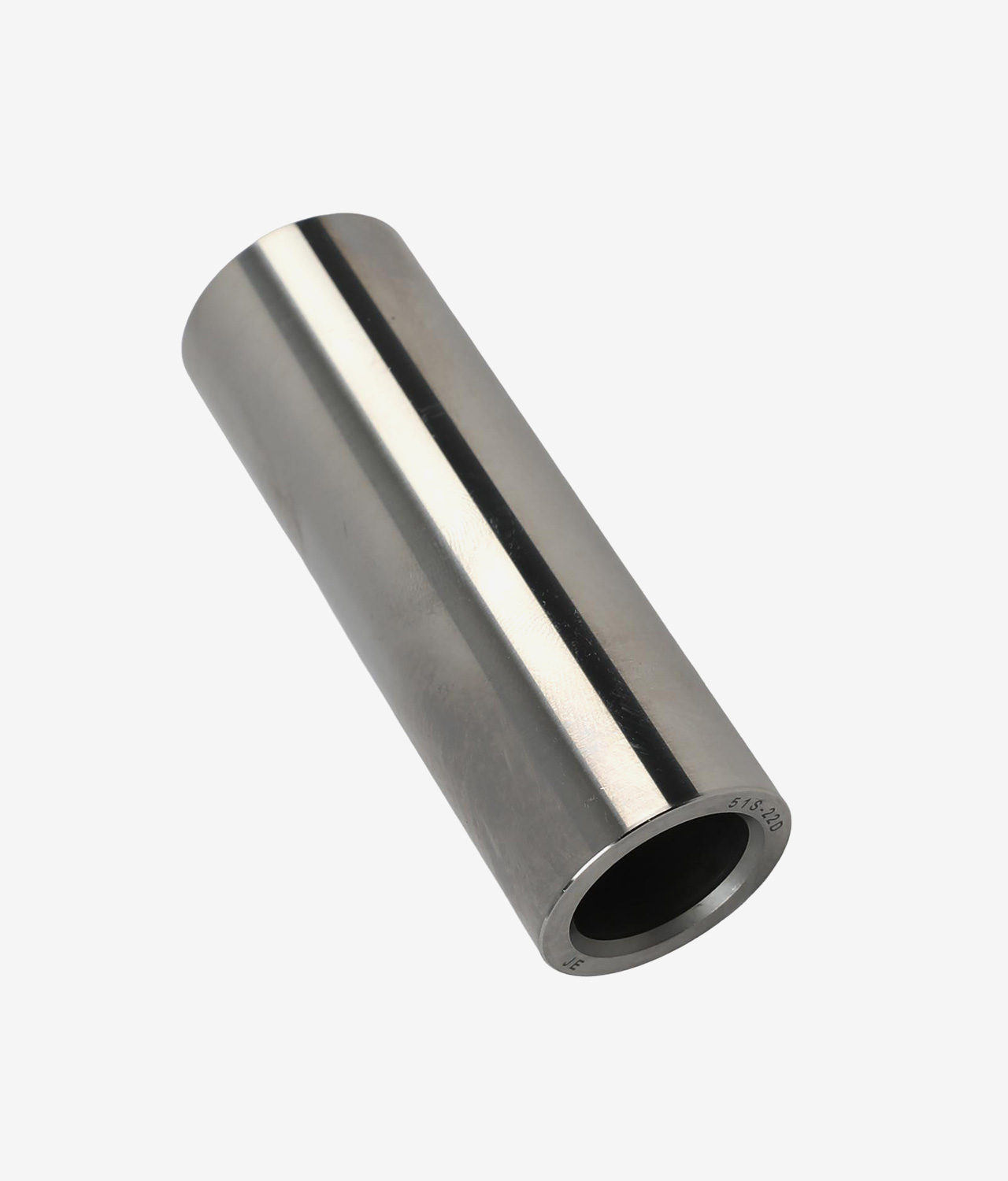
At the upper end, the rod connects to the piston through the wrist pin and wrist pin bearing. At the lower end, it rides on the crankshaft journal through the connecting rod bearing assembly.
During operation, the rod must withstand:
- Combustion pressure
- High-speed reciprocating movement
- Constant changes in direction
- Tensile and compressive loading
- High engine RPM
- Bearing loads at both ends
Even a small amount of rod damage or distortion can create serious problems inside the engine.
Common Signs of a Worn or Damaged Connecting Rod
Possible symptoms or inspection findings may include:
- Knocking or tapping from the powerhead
- Metallic noise that increases with RPM
- Excessive movement at the crankshaft journal
- Excessive wrist pin movement
- Increased engine vibration
- Uneven piston movement
- Abnormal cylinder or piston wear
- Metal debris inside the powerhead
- Heat discoloration
- Scoring or damage at the bearing surfaces
- Bent or visibly distorted rod
- Damaged rod cap or mating surfaces
- Internal engine failure following bearing damage
A connecting rod problem should be addressed immediately. Continued operation can damage the piston, crankshaft, cylinder, bearings, and crankcase.
Why Connecting Rod Condition Matters
The rod must maintain the correct relationship between the piston and crankshaft throughout the entire RPM range.
If the rod becomes bent, distorted, excessively worn, or damaged from bearing failure, the piston may no longer travel correctly within the cylinder.
This can contribute to:
- Piston skirt damage
- Uneven cylinder wear
- Bearing failure
- Crankshaft journal damage
- Increased vibration
- Loss of compression
- Severe powerhead failure
A damaged connecting rod should never be reused simply because the engine still turns over.
Key Features & Benefits
- Transfers Combustion Force – Connects the piston to the crankshaft and converts reciprocating movement into crankshaft rotation
- Supports Proper Piston Movement – Helps maintain correct piston travel through the cylinder
- Critical Powerhead Component – Handles repeated combustion and high-RPM loads
- Ideal for Engine Rebuilds – Important replacement component during piston, crankshaft, or internal engine repair
- Useful for Performance Applications – Proper rod condition is especially important in engines operated at sustained RPM
- OMC Racing Application – SST45 legal replacement for NLA OMC 398100 Racing Connecting Rod
When Should Connecting Rod Be Replaced?
Replacement should be considered when:
- The rod is bent or distorted
- Bearing surfaces are scored or damaged
- The rod cap or mating surfaces are damaged
- The engine experienced a rod-bearing failure
- Excessive bearing clearance is present
- The piston or wrist pin suffered major damage
- Metal contamination circulated through the powerhead
- The engine experienced severe overheating or lubrication failure
- The crankshaft failed
- The powerhead suffered a major internal failure
Whenever a rod has been involved in a significant piston, bearing, or crankshaft failure, it should be carefully inspected before reuse.
Inspect the Related Components
When replacing a connecting rod, also inspect:
- Piston
- Wrist pin
- Wrist pin bearing
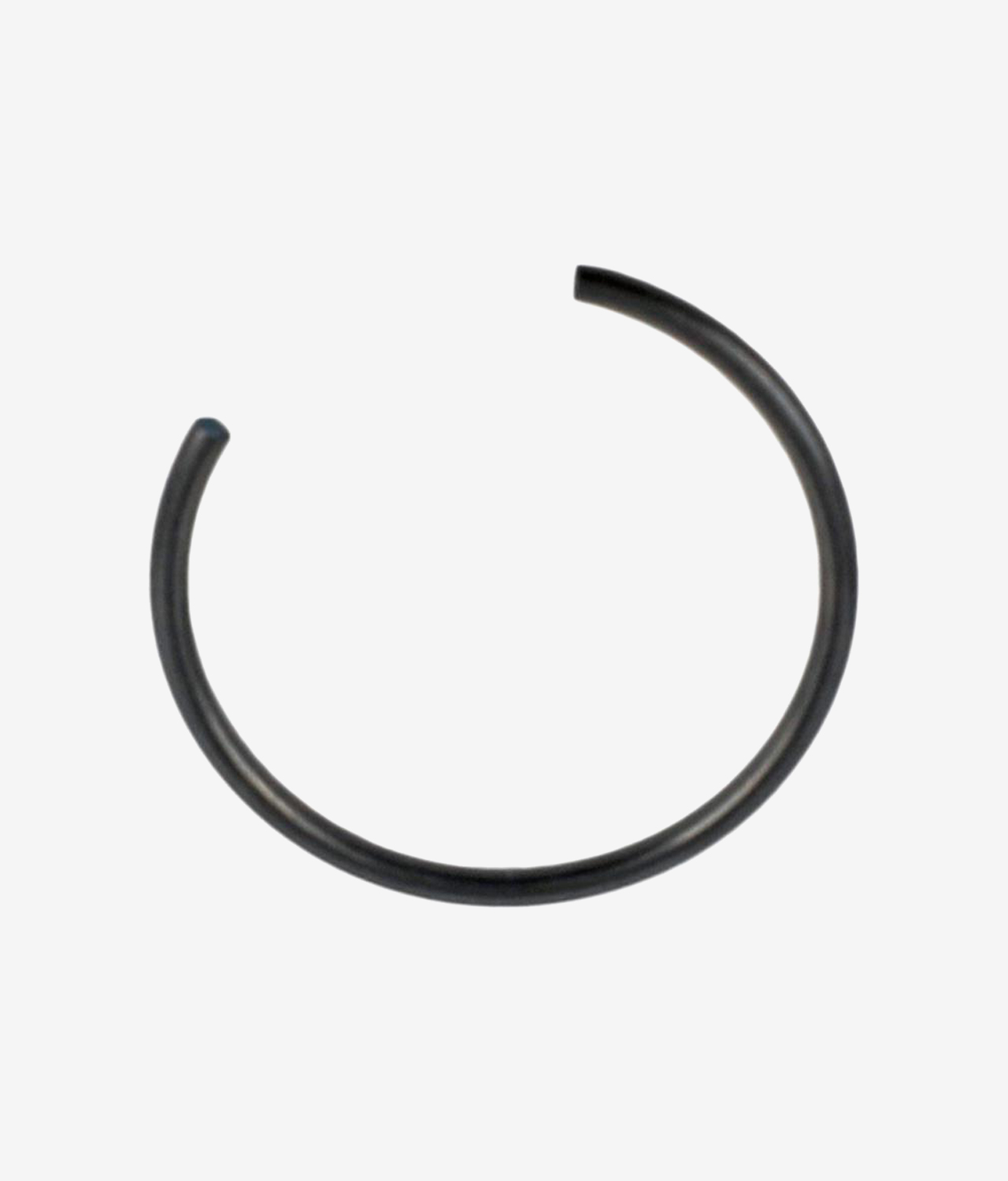
- Wrist pin retaining clips
- Lower connecting rod bearing
- Crankshaft journal
- Rod cap bolts
- Cylinder wall
- Crankshaft bearings
A new connecting rod should not be assembled with a damaged crankshaft journal, wrist pin, or bearing.
The lower connecting rod bearing and appropriate wrist pin bearing are also important inspection points during this type of repair.
Powerhead Rebuild & Performance Considerations
For high-performance outboards, connecting rod condition becomes even more important because the rotating assembly is exposed to sustained RPM and repeated high-load operation.
At Liquid Revolutions, we know that internal engine reliability depends on every component in the rotating assembly working together correctly. A questionable connecting rod is not worth reusing when the engine is already apart.
Whether you’re replacing a damaged piston, repairing a crankshaft failure, or completing a full Johnson/Evinrude powerhead rebuild, a properly fitted connecting rod helps maintain correct piston movement, smooth crankshaft operation, and dependable engine performance.
Always verify your engine model number, year, and OEM part number before ordering to confirm proper fitment.