Description
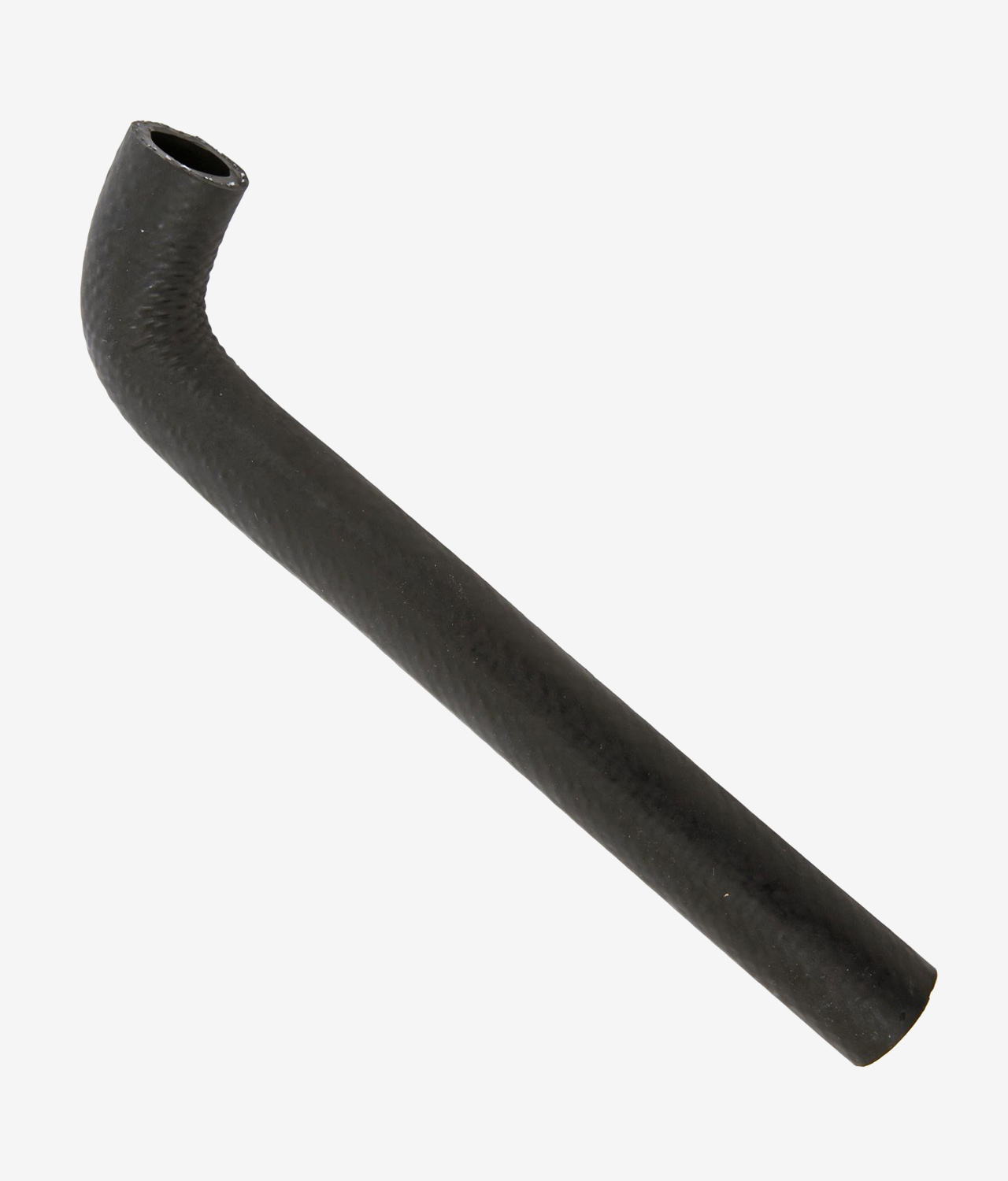
Johnson/Evinrude Fuel Pump to Tee Hose 332911 – Maintain Reliable Fuel Delivery
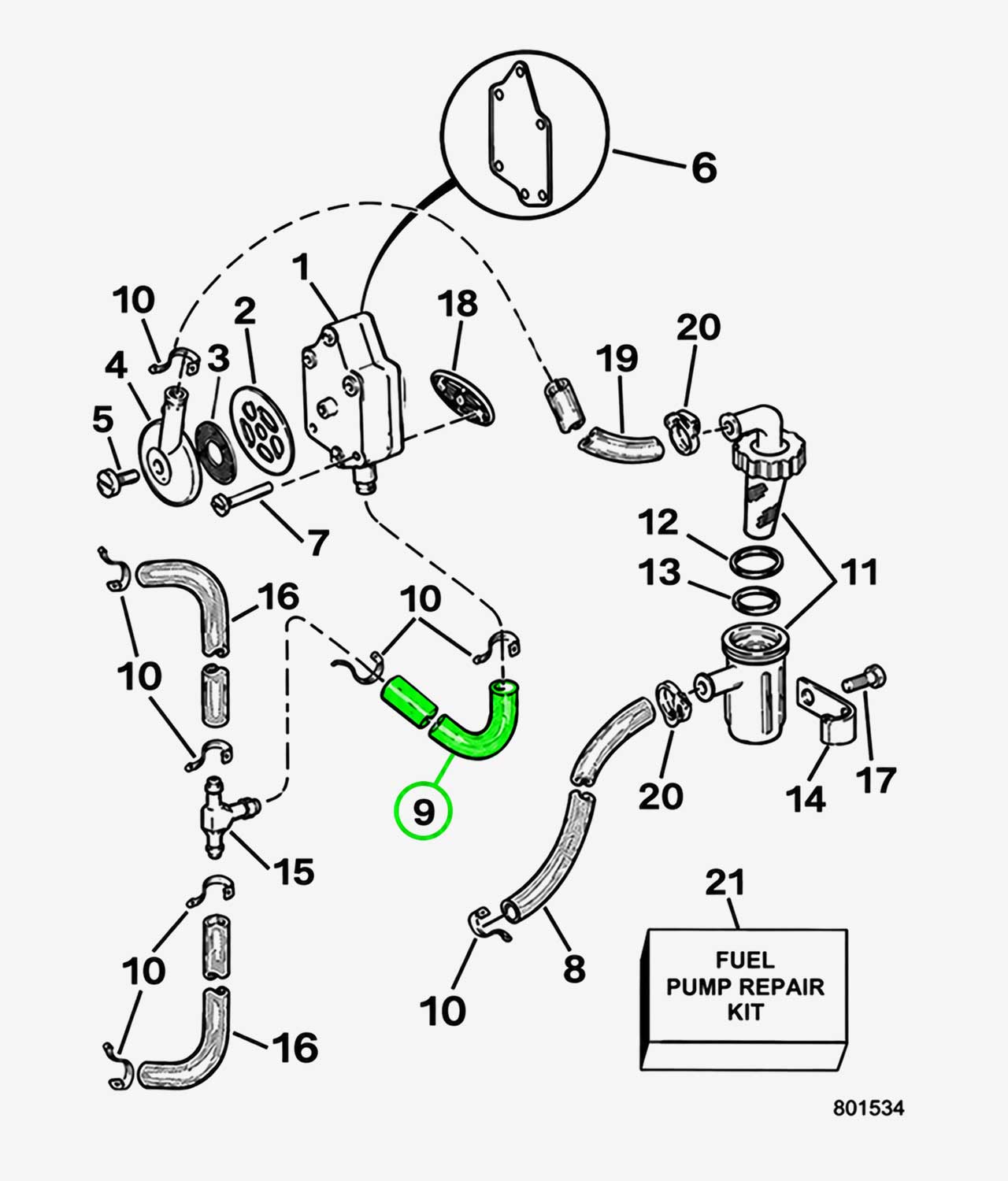
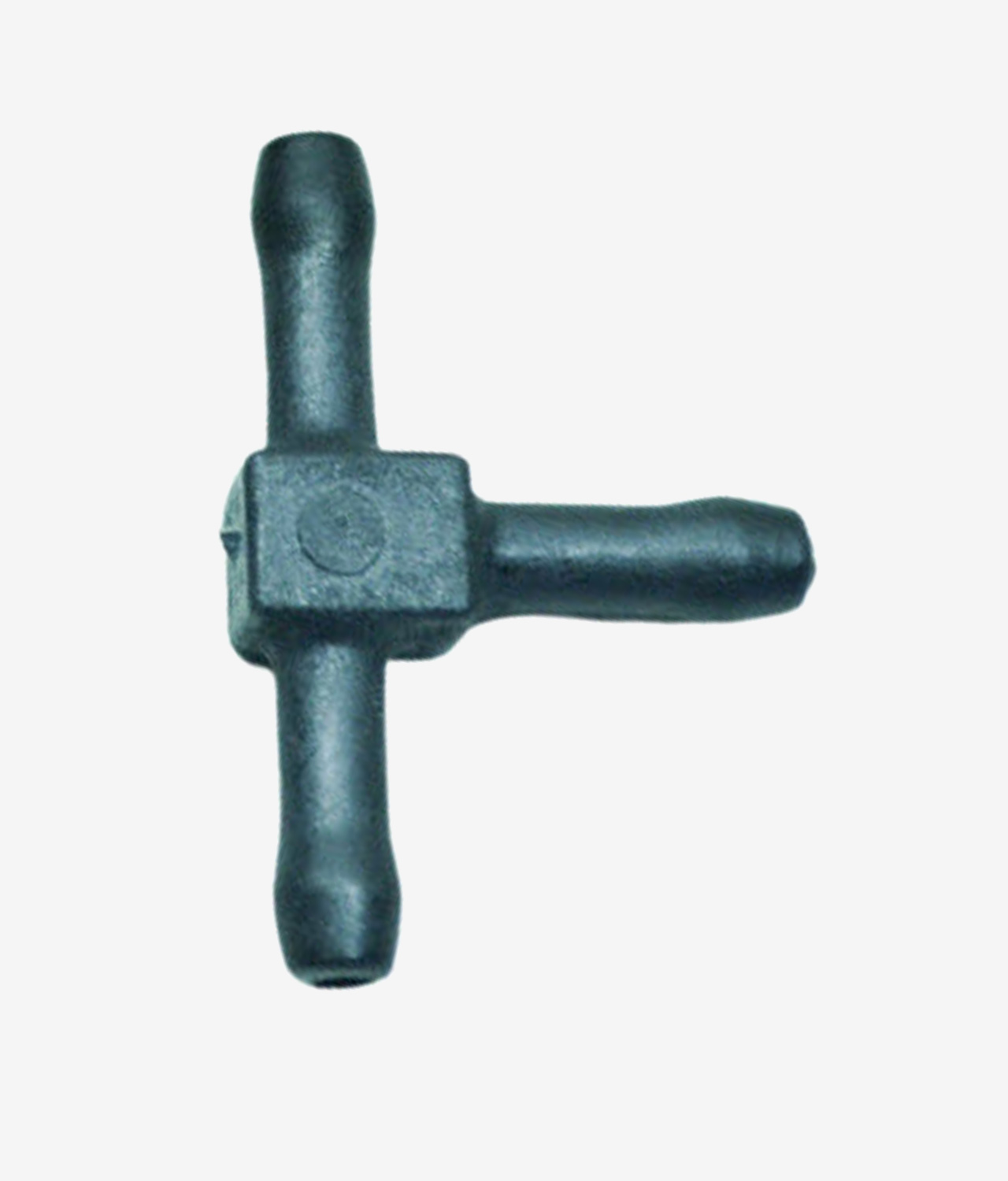
The Fuel Pump to Tee Hose is used on select OMC, Johnson and Evinrude outboard engines to route fuel from the fuel pump to the fuel distribution tee. OEM fuel system diagrams identify it as the “Hose, Pump to Tee.”
Although it is a simple hose, it plays an important role in maintaining a sealed and reliable fuel path between the pump and carburetor feed system.
What the Fuel Pump to Tee Hose Does
Fuel leaving the pump must travel through the hose to the tee, where it is then distributed toward the carburetors or other fuel-system branches.
The hose helps maintain:
- Consistent fuel flow
- Proper fuel delivery under load
- A sealed fuel circuit
- Reliable carburetor supply
- Smooth acceleration and throttle response
If this hose develops cracks, becomes brittle, or no longer seals tightly at the fittings, the engine may experience fuel leakage or draw air into the fuel system.
Common Signs of a Worn or Damaged Fuel Hose
Possible symptoms may include:
- Visible fuel leakage
- Strong fuel smell under the cowling
- Wet or damp hose connections
- Hard starting
- Engine hesitation
- Poor acceleration
- Fuel starvation at higher RPM
- Surging or inconsistent RPM
- Air bubbles in the fuel line
- Hose cracking or surface checking
- Hardened or brittle hose material
- Loose hose fit on the fuel pump or tee
Because these symptoms can also be caused by a weak fuel pump, dirty filter, clogged carburetor, primer issue, or tank-side problem, the complete fuel system should be inspected when troubleshooting.
Why Fuel Hose Condition Matters
A two-stroke outboard depends on consistent fuel delivery throughout the RPM range.
A deteriorated hose can create two major problems:
Fuel can leak out.
This creates both a performance issue and a potential fire hazard.
Air can leak in.
An air leak can reduce fuel delivery and cause the engine to run lean or starve under load.
At higher RPM, even a small restriction or leak can become much more noticeable because fuel demand increases significantly.
Key Features & Benefits
- Fuel Pump to Tee Routing – Carries fuel from the pump to the distribution tee
- Maintains Fuel-System Integrity – Helps keep the fuel path sealed
- Supports Consistent Fuel Delivery – Important from idle through wide-open throttle
- Helps Prevent Air Intrusion – A properly sealed hose reduces the chance of fuel starvation
- Helps Prevent Fuel Leaks – Replaces cracked, hardened, or deteriorated hose
- Ideal for Fuel-System Restoration – Useful when refreshing aging hoses and fittings
When Should Fuel Hose Be Replaced?
Replacement should be considered when:
- The hose is cracked
- The hose has become stiff or brittle
- Fuel is seeping at either connection
- The hose no longer grips the fittings securely
- Air intrusion is suspected
- The fuel system is being restored
- The carburetors or fuel pump are being serviced
- The existing hose is old and its condition is questionable
Older fuel hoses can degrade from heat, vibration, age, and long-term fuel exposure even if they do not yet show an obvious external leak.
Inspect the Related Fuel-System Components
When replacing this hose, also inspect:
- Fuel pump
- Fuel tee
- Carburetor feed hoses
- Fuel filter
- Primer system hoses
- Hose clamps or retainers
- Other aging fuel connections
If one hose is brittle or deteriorated, the rest of the fuel system may be in similar condition.
Performance & Racing Considerations
For performance and race outboards, consistent fuel flow is especially important because fuel demand is highest at sustained wide-open throttle.
At Liquid Revolutions, we know that a small fuel-system issue can create symptoms that look like jetting, carburetor, or ignition problems. A leaking or restricted pump-to-tee hose is easy to overlook but can cause major reliability issues when the engine is under load.
Replacing an aging Fuel Pump to Tee Hose is a simple preventative step that helps maintain dependable fuel delivery and reduces the chance of a race-day fuel problem.