Description
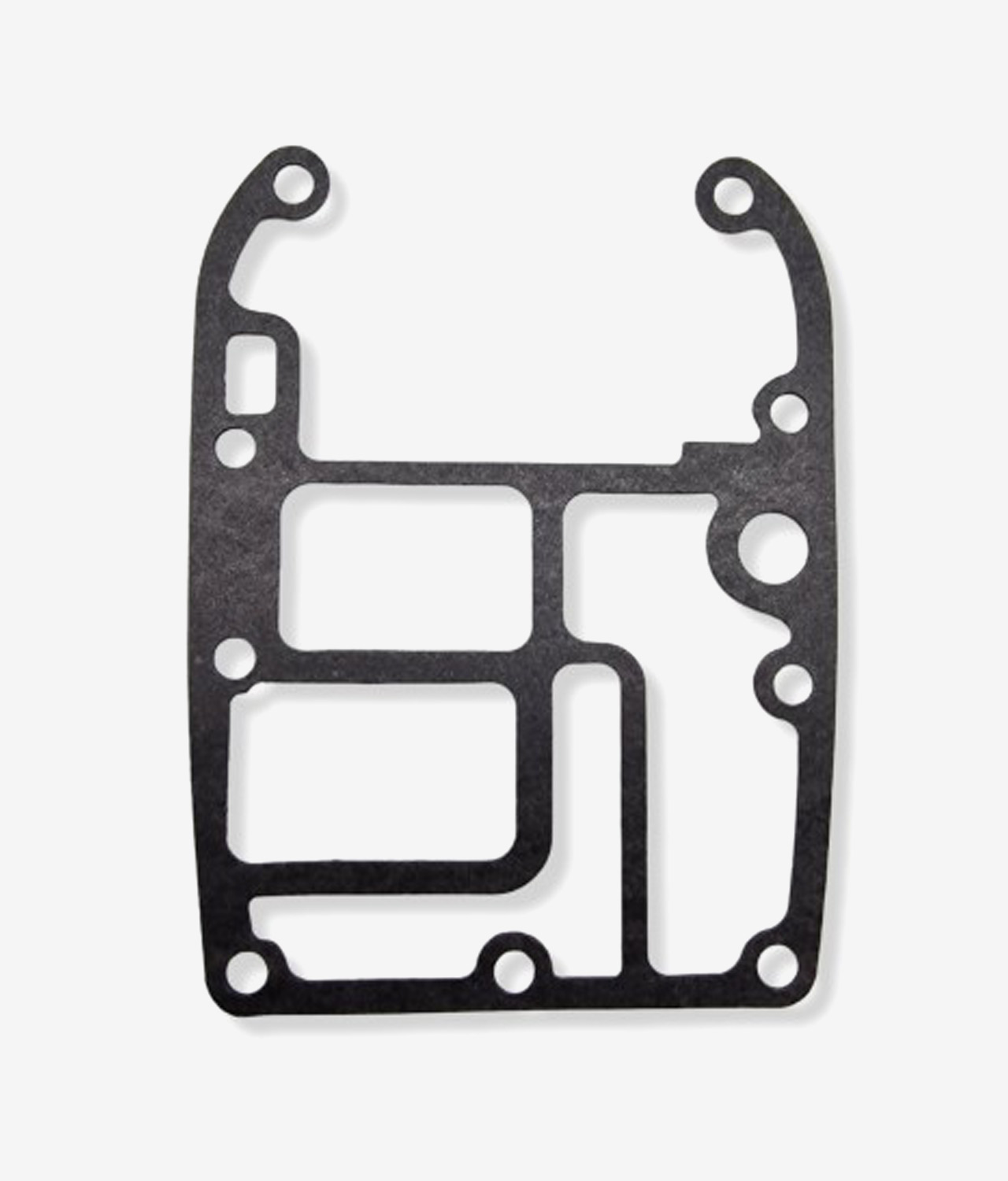
Johnson/Evinrude Carburetor Mounting Gasket 0325092 – Help Prevent Intake Air Leaks
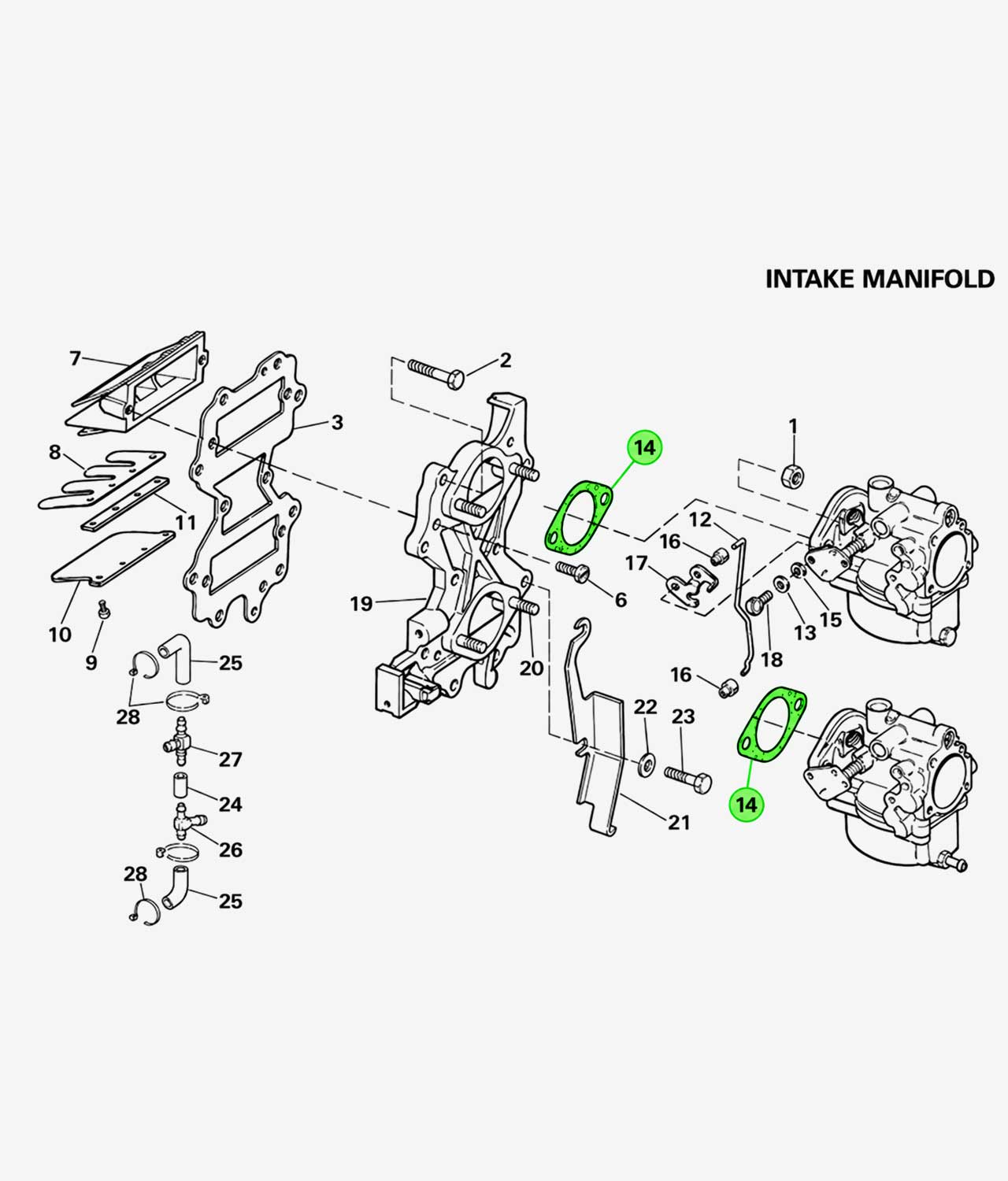
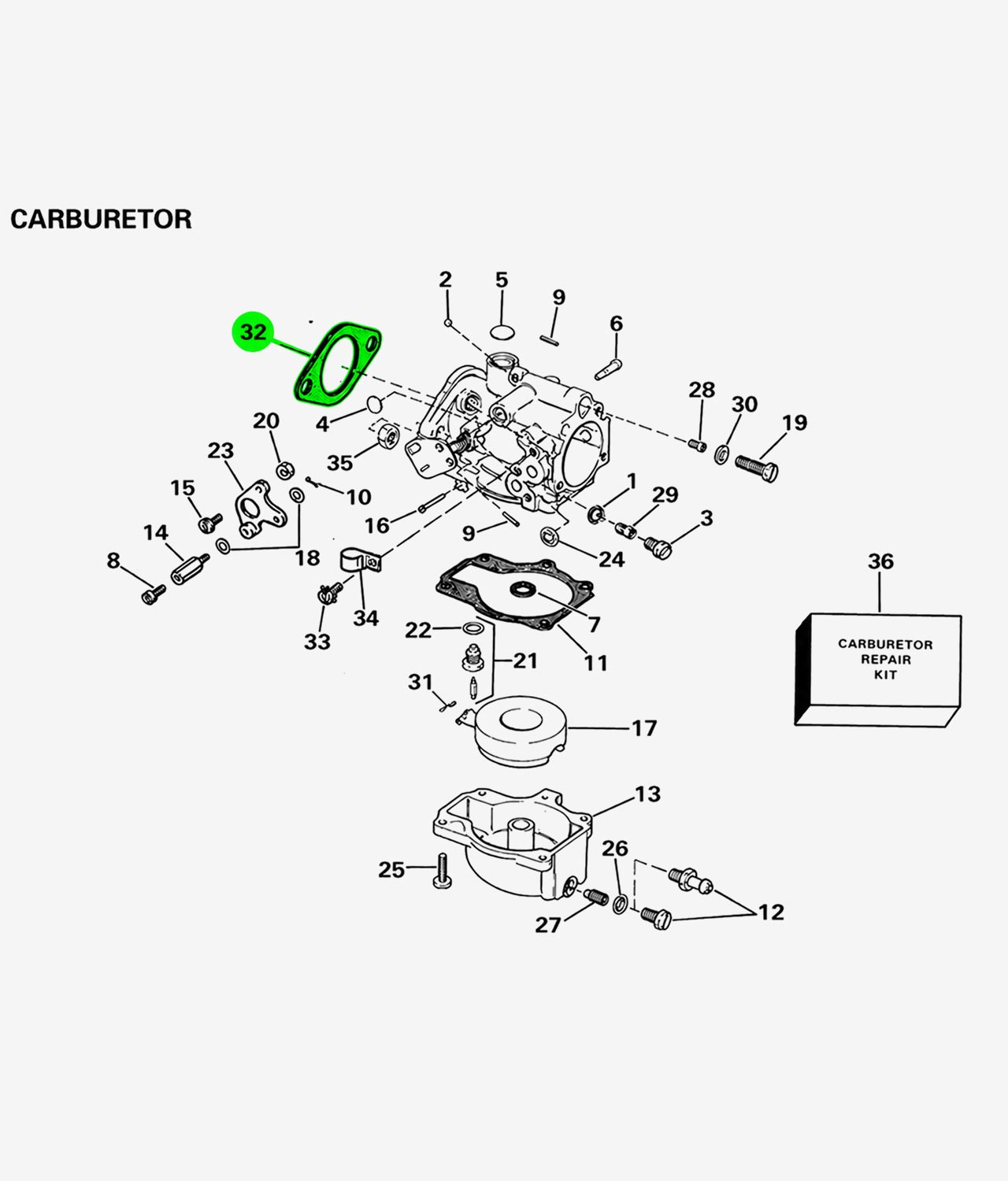
The Carburetor Mounting Gasket is used on select Johnson and Evinrude outboard engines to seal the connection between the carburetor and intake manifold.
OEM parts diagrams identify 0325092 as the carburetor-to-manifold gasket or carburetor mounting gasket. It sits directly behind the carburetor and helps create an airtight seal so the engine receives the correct fuel-and-air mixture.
Although it is a simple gasket, its condition can have a major effect on how the engine starts, idles, accelerates, and responds to carburetor adjustments.
What the Carburetor Mounting Gasket Does
The carburetor meters the fuel and air entering the engine. For that system to work correctly, the connection between the carburetor and intake manifold must remain properly sealed.
The gasket helps:
- Seal the carburetor to the intake manifold
- Prevent unmetered air from entering the engine
- Maintain a consistent fuel-to-air mixture
- Support stable idle quality
- Improve throttle response
- Help maintain predictable carburetor tuning
If air enters the intake after the carburetor, the engine may run lean even when the carburetor itself is correctly adjusted.
Common Signs of a Leaking or Damaged Carburetor Gasket
Possible symptoms may include:
- Hard starting
- Rough or unstable idle
- Engine hesitation
- Poor throttle response
- Lean running condition
- Inconsistent RPM
- Engine surging
- Difficulty tuning the carburetor
- Engine speed changing unexpectedly at idle
- Reduced performance
- Visible gasket damage
- Air leak around the carburetor mounting surface
Because these symptoms can also be caused by fuel delivery, ignition, reed, or internal engine problems, proper troubleshooting is recommended before replacing parts.
Why an Intake Air Leak Matters
A carburetor is calibrated to deliver fuel based on the amount of air passing through it.
If additional air enters the engine through a leaking carburetor mounting gasket, that extra air has not passed through the carburetor and has not been matched with the correct amount of fuel.
This can create a lean condition.
On a two-stroke outboard, a lean condition can lead to:
- Higher combustion temperatures
- Poor acceleration
- Inconsistent tuning
- Reduced lubrication on premix engines
- Piston or cylinder damage in severe cases
That makes proper intake sealing especially important on performance engines.
Key Features & Benefits
- Seals Carburetor to Intake Manifold – Helps maintain an airtight intake connection
- Helps Prevent Vacuum Leaks – Reduces the chance of unmetered air entering the engine
- Supports Proper Carburetor Tuning – Helps maintain the fuel-and-air ratio the carburetor is designed to deliver
- Improves Idle Consistency – Proper sealing can help eliminate one source of rough or unstable idle
- Supports Reliable Throttle Response – Helps the engine respond consistently throughout the RPM range
- Ideal for Carburetor Service – Recommended whenever the carburetor is removed
When Should Carburetor Gasket Be Replaced?
Replacement is recommended when:
- The carburetor has been removed
- The existing gasket is torn or damaged
- The gasket is compressed or hardened
- An intake air leak is suspected
- The carburetor is being rebuilt
- The intake manifold is being serviced
- The engine is being restored
- Carburetor tuning problems remain after other causes are eliminated
A used mounting gasket may not reseal properly after the carburetor has been removed.
Inspect the Mating Surfaces
Before installing a new gasket, inspect both sealing surfaces for:
- Old gasket material
- Corrosion
- Scratches
- Warpage
- Fuel residue
- Dirt or debris
A new gasket cannot compensate for a damaged or badly warped mounting surface.
The carburetor and manifold surfaces should be clean, flat, and free of old gasket material before reassembly.
Carburetor Rebuild Considerations
If the carburetor is already being rebuilt, replacing the mounting gasket at the same time is a smart preventative-maintenance step.
Also inspect:
- Carburetor body
- Float and needle
- Fuel inlet
- Jets and passages
- Carburetor-to-manifold hardware
- Intake manifold
- Reed assembly
- Fuel hoses
A freshly rebuilt carburetor can still run poorly if there is an air leak between the carburetor and manifold.
Performance & Racing Considerations
For performance and racing outboards, intake sealing is especially important because carburetor tuning is more sensitive at sustained high RPM.
At Liquid Revolutions, we know how frustrating it can be to chase a carburetor problem that turns out to be a simple air leak. A damaged mounting gasket can create symptoms that look like incorrect jetting, poor fuel delivery, or ignition trouble.
Replacing theCarburetor Mounting Gasket during carburetor service is inexpensive insurance and helps ensure that any tuning changes are based on a properly sealed intake system.
Whether you’re maintaining a recreational Johnson/Evinrude outboard or servicing a performance engine, a fresh carburetor mounting gasket helps provide the stable airflow and sealing needed for consistent engine operation.