Description
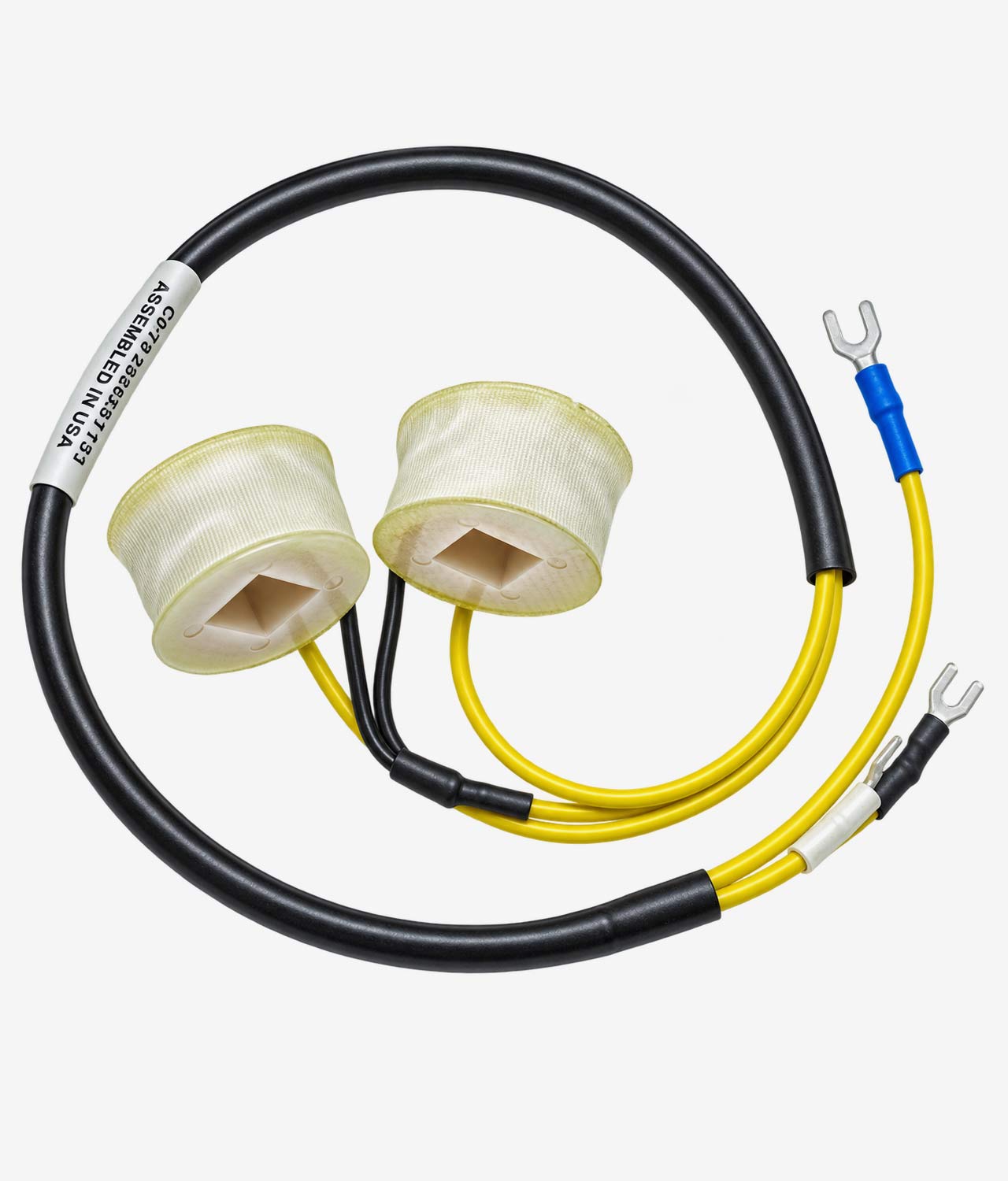
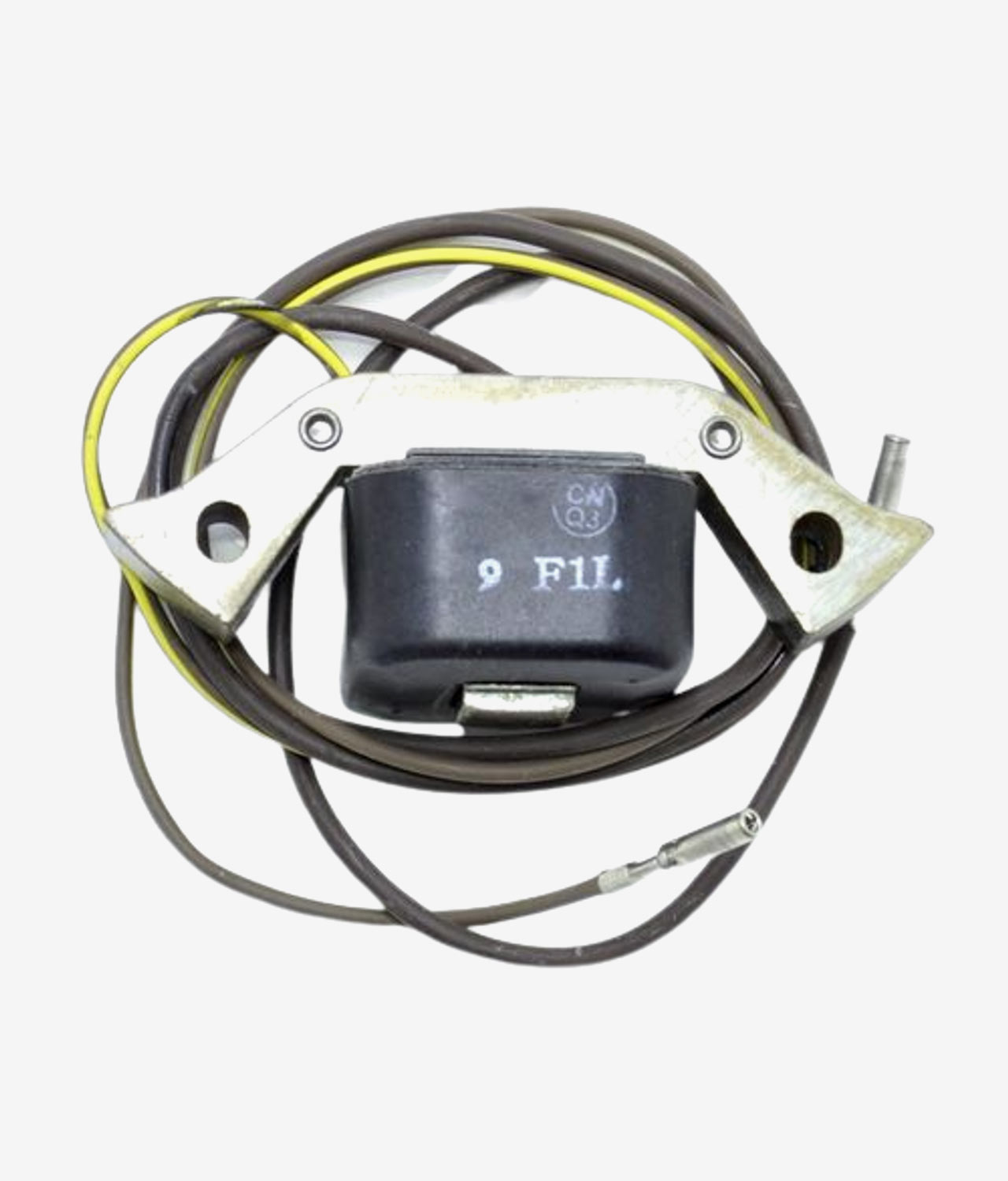
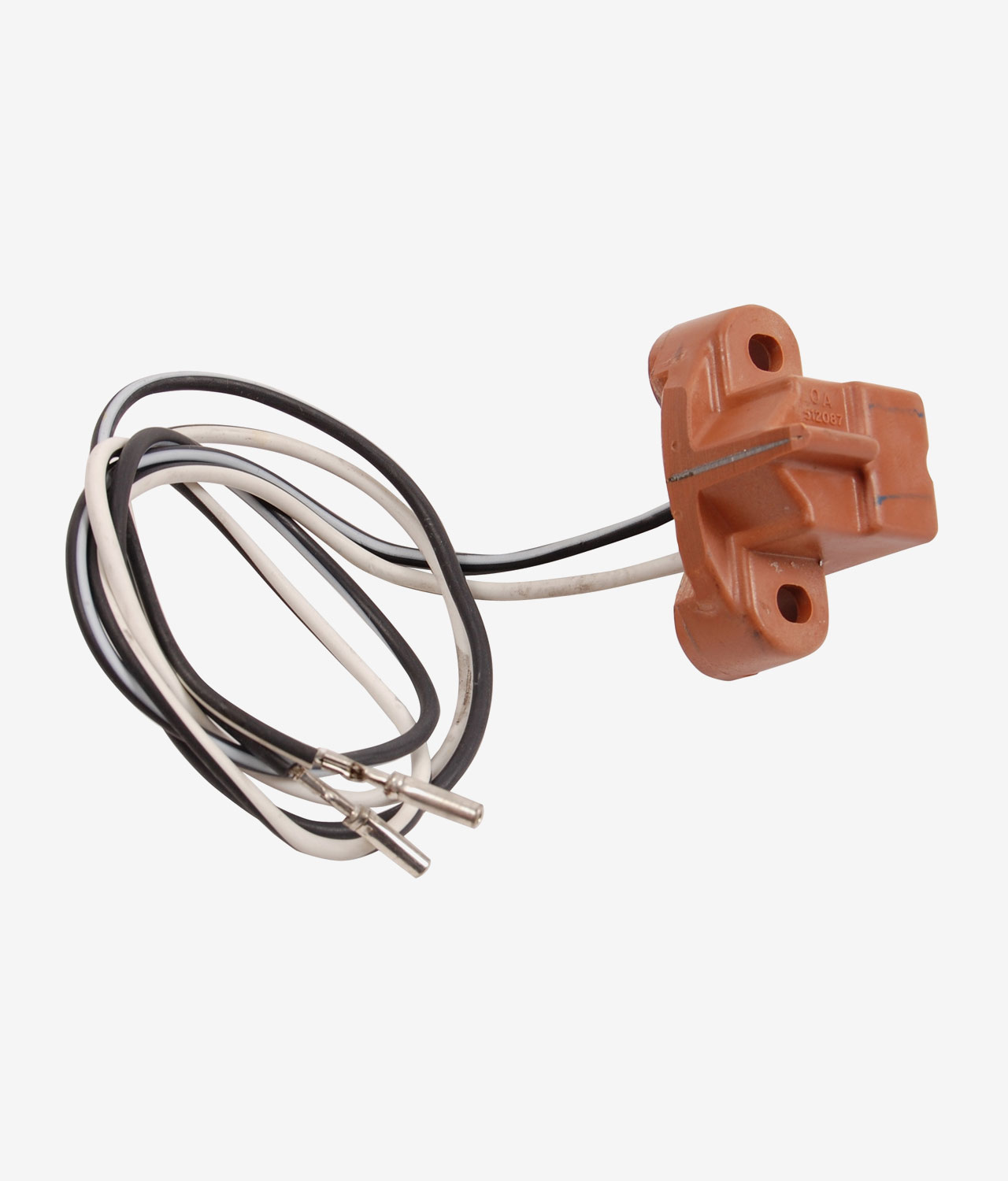
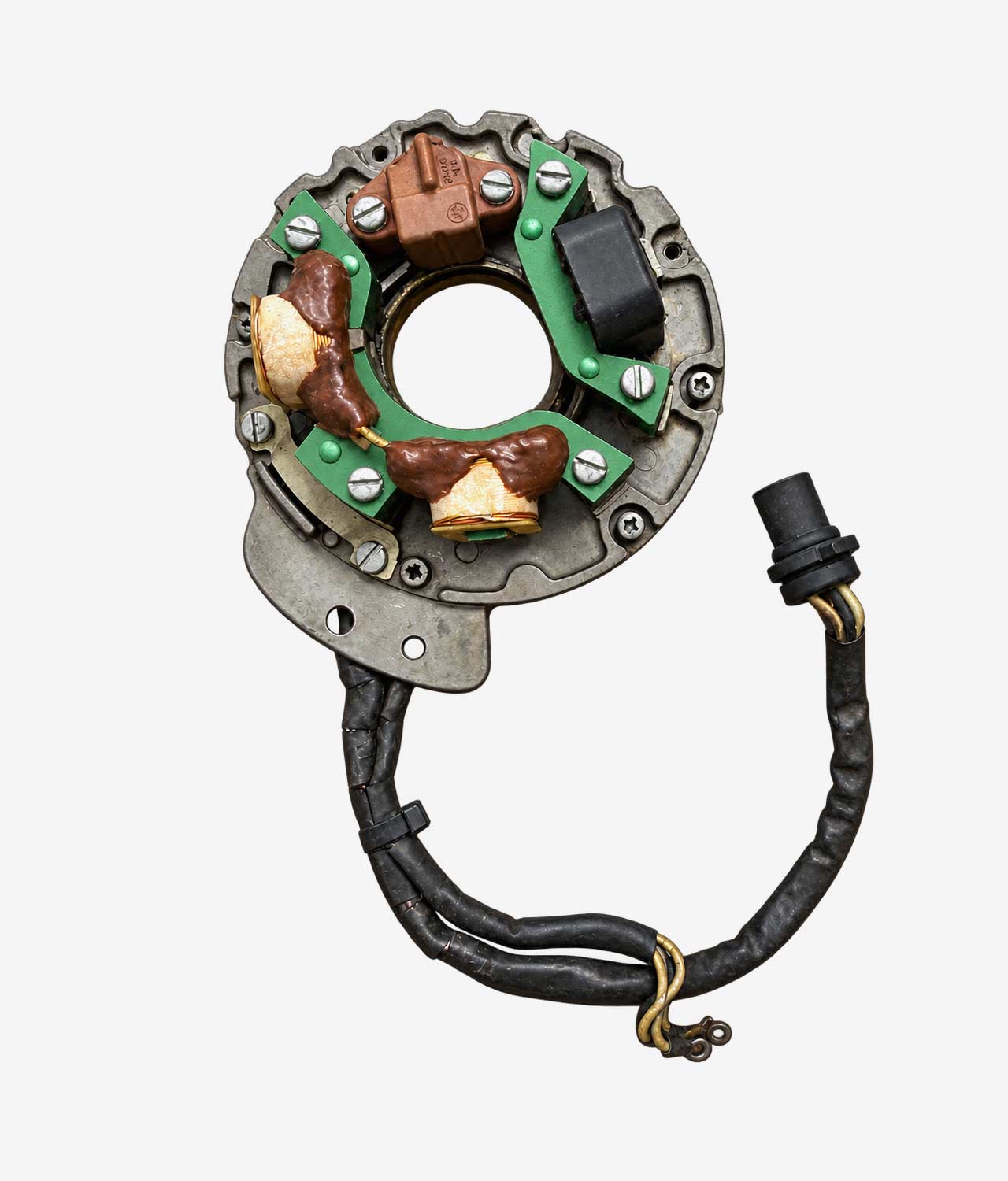
Johnson/Evinrude Stator Coil
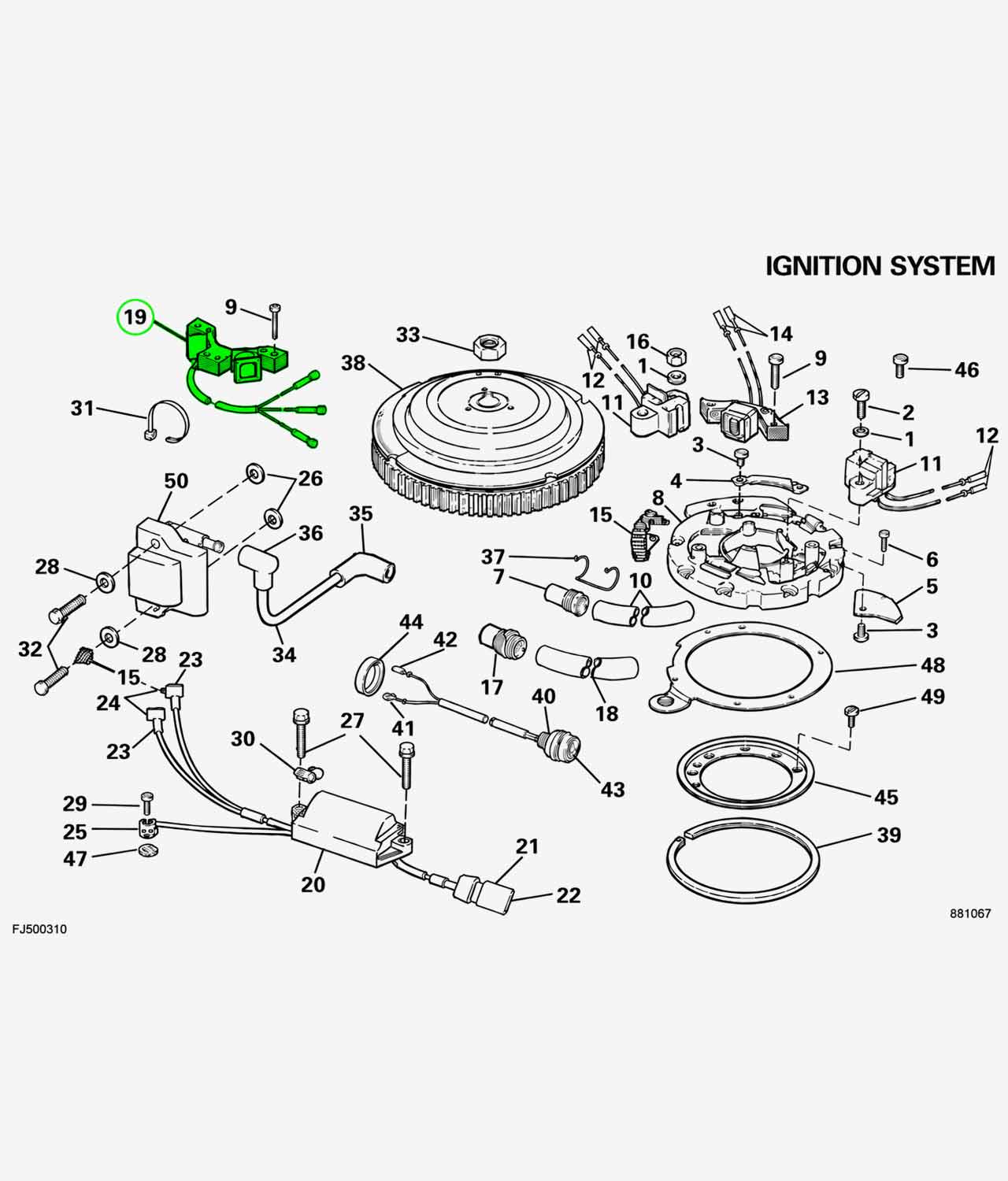
The Johnson/Evinrude Stator Charging Coil is a replacement charging-coil assembly used on select 2-cylinder OMC outboard engines.
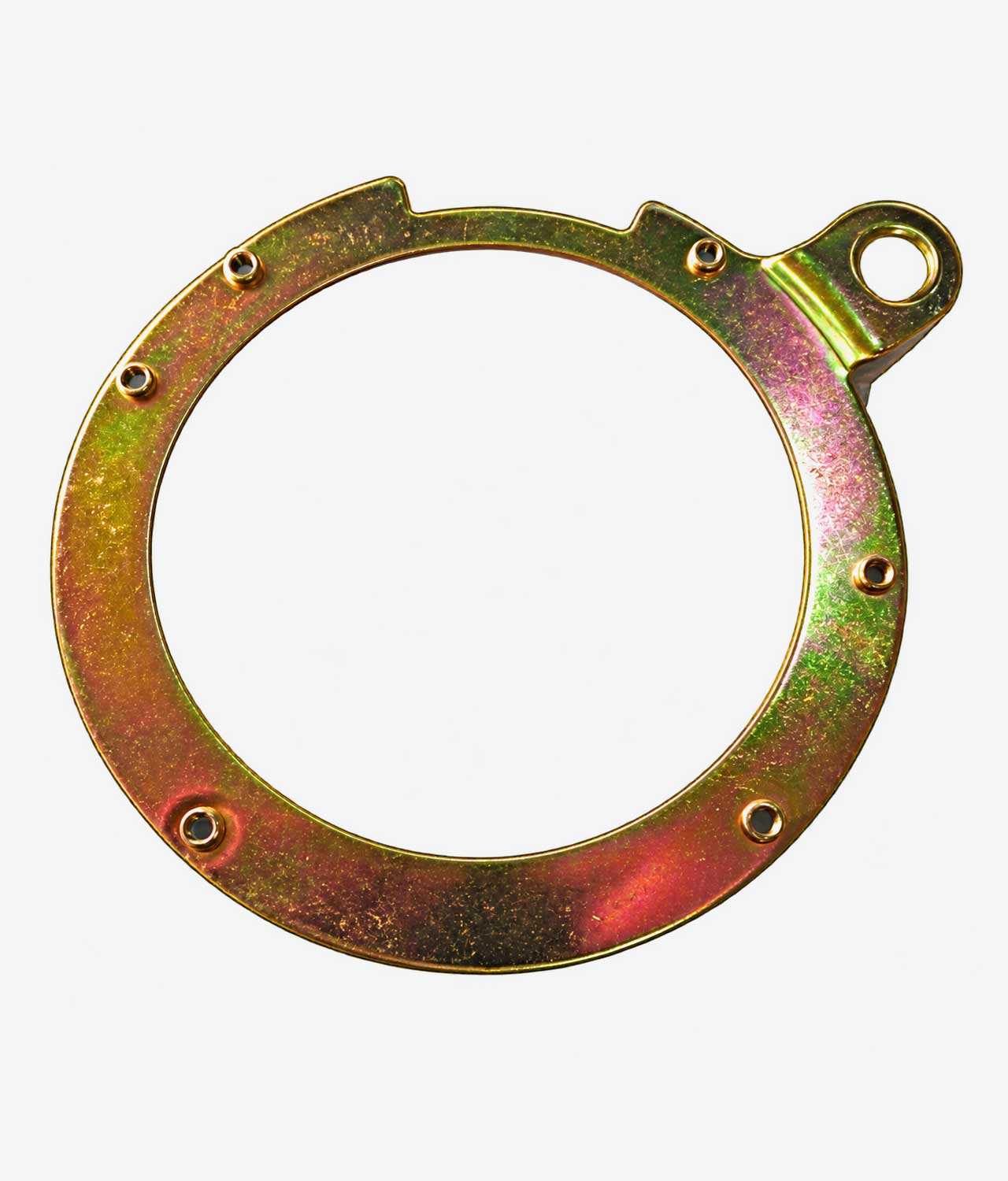
It’s important to note this includes the replacement coils only. It does not include the metal stator lamination/core, so the original lamination from the existing stator must be reused.
This makes 768759 a practical replacement when the charging windings have failed but the original stator core is still in usable condition.
What the Stator Coil Does
The stator charging coils are located beneath the flywheel and work with the flywheel magnets to generate electrical current while the engine is running.
That output is used to support the engine’s battery charging system.
As the flywheel rotates, its magnets pass over the stator windings and induce electrical current in the coils.
The charging system then supplies power to help maintain battery voltage during engine operation.
Coils Only – Original Lamination Must Be Reused
This is one of the most important things to understand about 768759.
Part number 768759 is a replacement coil set, not a complete stator assembly.
The replacement includes the electrical windings needed to rebuild the charging portion of the stator, but the original laminated metal core must be transferred and reused.
For engines originally equipped with No Longer Available (NLA) 582926 Stator Assembly the 768759 replacement provides a way to repair the charging system with the charging coils only.
Before ordering, inspect the original lamination carefully for:
- Rust
- Heavy corrosion
- Cracks
- Physical distortion
- Heat damage
- Loose laminations
- Damage from flywheel contact
If the lamination is damaged, replacing only the coils may not be the best repair.
Charging Output
768759 is commonly used as a replacement charging stator for select 2-cylinder Johnson/Evinrude electric-start engines with a 4-amp to 5-amp charging system.
Because output specifications can vary by engine configuration and how the system is rated, always use the correct factory service specifications when testing charging performance.
Common Signs of a Failing Stator Charging Coil
A damaged charging stator may cause:
- Battery not charging
- Battery slowly losing charge during operation
- Low charging voltage
- Intermittent charging
- No charging-system output
- Burned or discolored stator windings
- Melted insulation
- Damaged wiring
- Open or shorted stator windings
- Charging output that drops as the engine warms up
Electrical testing should be performed before replacing the stator because similar symptoms can also be caused by wiring, connectors, rectifiers, regulators, batteries, or poor electrical grounds.
Common Reasons for Stator Coil Failure
Stator windings can deteriorate from:
- Age
- Heat
- Electrical overload
- Insulation breakdown
- Corrosion
- Moisture exposure
- Vibration
- Damaged wiring
- Short circuits
- Flywheel contact
Over time, the insulation surrounding the windings may become brittle or damaged, eventually causing the coil to short internally or stop producing proper output.
Replacement for Stator Assembly 582926
The original 582926 stator is NLA (No Longer Avaialble) as was supplied as a complete stator assembly.
With the complete assembly being NLA, 768759 Stator Charging Coil allows the existing stator lamination to be reused.
This is especially useful when servicing older Johnson/Evinrude engines where complete original stator assemblies may be difficult to locate.
Inspect the Flywheel During Stator Service
Whenever the flywheel is removed for stator replacement, inspect the complete charging-system area.
Check:
- Flywheel magnets
- Magnet bonding
- Stator lamination
- Wiring
- Electrical connectors
- Ground connections
- Flywheel taper
- Crankshaft taper
- Flywheel key
- Flywheel nut
A damaged or loose flywheel magnet can contact the stator and destroy a new set of coils.
Electrical Testing Before Replacement
Before replacing the stator, test the charging system according to the correct service specifications for the engine.
Useful checks may include:
- Coil resistance
- Continuity
- Resistance to ground
- AC output
- Battery charging voltage
- Wiring continuity
- Connector condition
Testing helps determine whether the problem is actually in the stator or elsewhere in the charging circuit.
Key Features & Benefits
- Replacement Charging Coils – Restores the charging windings on applicable stator assemblies
- For 2-Cylinder Johnson/Evinrude Engines – Used on select OMC outboard applications
- Replaces 582926 Coil Portion – Designed to repair the original stator assembly
- Reuse Original Lamination – Allows a usable stator core to remain in service
- Ideal for Charging-System Repair – Useful for burned, open, shorted, or damaged original coils
- Useful for Older Outboard Restoration – Helps keep older Johnson/Evinrude charging systems serviceable
Performance & Racing Considerations
On performance and racing engines, charging-system reliability can still be important even when the electrical load is relatively small.
A failing stator can cause inconsistent battery charging and eventually leave the battery unable to support accessories, gauges, trim systems, or starting equipment.
During race-engine maintenance, inspecting the stator whenever the flywheel is removed is a good opportunity to catch:
- Heat damage
- Cracked insulation
- Loose wiring
- Chafed leads
- Magnet contact
- Corrosion
Replacing damaged charging coils before complete failure can help prevent electrical problems during testing or race weekends.
The 768759 Stator Coil provides a practical way to rebuild the charging portion of an applicable Johnson/Evinrude stator while retaining the original lamination.